


Comparing Top B2B Sales Outsourcing Models
B2B sales outsourcing continues to evolve as organizations search for reliable ways to expand pipeline coverage, increase speed to lead, and support revenue teams without overextending internal resources. The rise of multichannel outreach, complex buyer journeys, and expanding tech stacks has made outsourcing an operational advantage for many companies. Still, selecting the right model requires clarity on structure, capabilities, and long-term impact. Each outsourcing approach offers different strengths, and the best fit depends on organizational goals, internal skill sets, and the level of control a team needs over its sales motion.
Before evaluating providers, organizations benefit from understanding the primary outsourcing models and how each supports modern revenue strategies.
Quick Takeaways
- B2B sales outsourcing offers flexible models that support pipeline growth, lead qualification, and revenue operations.
- The right approach depends on internal capacity, complexity of the sales cycle, and required alignment with marketing and sales teams.
- Outsourcing options differ in structure, visibility, and the responsibilities they assume across the funnel.
- A strong model provides transparency, consistent reporting, and seamless integration with existing processes.
- Clear goals and realistic expectations help organizations choose the structure that delivers the most sustained impact.
Why Organizations Consider B2B Sales Outsourcing
B2B sales teams are under pressure to manage large volumes of inbound interest while maintaining high-quality outbound outreach. Many organizations face limited internal bandwidth, skill gaps, or challenges scaling prospecting efforts. Outsourcing creates room to focus on strategy, high-value conversations, and deal progression instead of day-to-day early-funnel tasks.
The most common reasons teams explore B2B sales outsourcing include:
- Strengthening outbound prospecting coverage
- Improving lead qualification accuracy
- Reducing time to first contact
- Supporting expansion into new markets
- Stabilizing the sales process
- Managing seasonal or campaign-specific surges
Because needs vary, companies rely on different outsourcing structures to support their goals. Below are the most widely used models and how they differ.
1. Fully Outsourced SDR Teams
This model provides an end-to-end external SDR function that manages prospecting, lead follow-up, qualification, and meeting scheduling. It is designed for organizations that need consistent outreach at scale without building or expanding an internal SDR team.
Strengths: A fully outsourced team brings established playbooks, trained talent, and predictable processes. Organizations gain immediate capacity without long hiring cycles, and teams benefit from structured reporting and standardized quality controls.
Ideal for: Companies without internal SDR infrastructure, growing organizations entering new markets, and teams that want predictable early-funnel performance without managing day-to-day operations.
Considerations: This model requires strong alignment between internal sales leadership and the outsourced team. Clear messaging, ICP agreements, and lead routing processes must be set early to maintain quality.
2. Hybrid or Co-Managed SDR Teams
A hybrid structure, also known as a project-based model, blends internal and external resources. Internal SDRs may handle specific segments, regions, or product lines, while the outsourced team supports overflow, targeted outreach, or specialized campaigns.
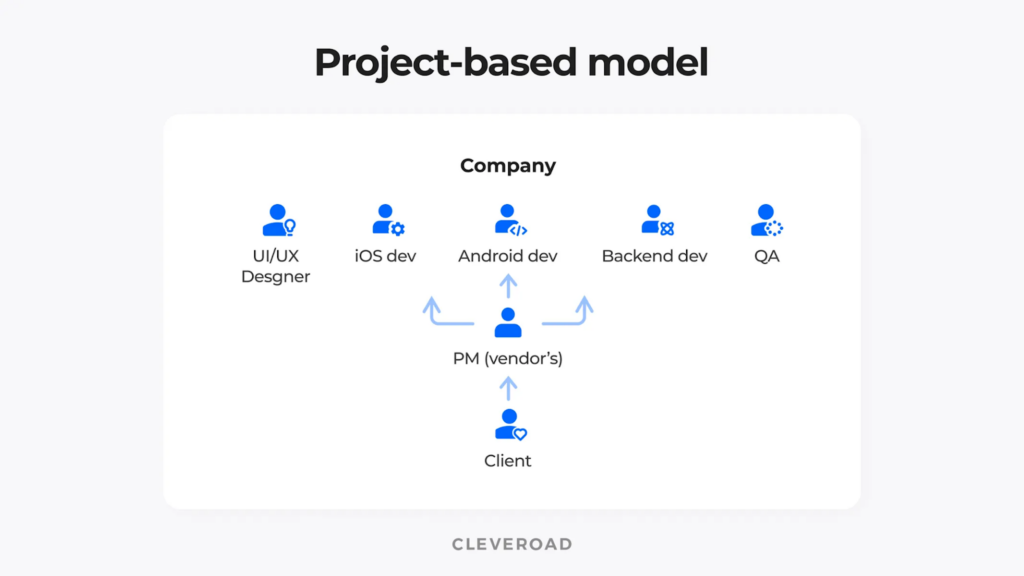
Strengths: Organizations maintain control over strategy and internal processes while adding scalable capacity. This model supports teams with partial SDR coverage or those undergoing restructuring or rapid growth.
Ideal for: Companies that want to expand coverage without fully replacing internal teams. It also works well when experimenting with new outreach approaches before investing long-term.
Considerations: Success depends on strong cross-team communication. Internal and external groups must share reporting frameworks, feedback loops, and consistent messaging to avoid disjointed outreach.
3. Outsourced Appointment Setting Services
Appointment setting focuses specifically on qualifying leads and delivering scheduled meetings for sales representatives. It does not always include broader prospecting responsibilities or multi-channel engagement strategies.
Strengths: Organizations benefit from predictable meeting volume, structured screening criteria, and a clear handoff to sales. This model is efficient for teams that already generate sufficient inbound demand or that need consistent qualification support for large lead lists.
Ideal for: Companies with strong marketing engines, high inbound volume, or detailed ICP definitions. It also suits organizations with long sales cycles requiring well-qualified initial conversations.
Considerations: Appointment setting is effective when qualification criteria are clearly defined. Broad or inconsistent ICPs can reduce meeting quality and lower conversion rates later in the funnel.
4. Outsourced Lead Qualification and Nurturing
In this structure, the outsourced team focuses on early-stage lead management, including response handling, scoring support, nurture conversations, and handoffs to sales once interest is verified. It typically complements marketing programs and automation platforms.
Strengths: This approach strengthens speed to lead, improves follow-up consistency, and helps teams avoid stagnant pipelines. It also ensures that marketing investments generate meaningful activity.
Ideal for: Organizations with strong inbound motion, complex nurture cycles, or high lead volumes that require human interaction before conversion.
Considerations: Effectiveness depends on accurate routing, well-defined qualification requirements, and real-time visibility into lead status.
5. Vertical-Focused or Industry-Specialized Outsourcing
Some outsourcing teams specialize in industries such as technology, healthcare, manufacturing, or professional services. These models prioritize domain knowledge, specialized messaging, and understanding of industry-specific buying committees.
Strengths: Specialization can accelerate trust-building and improve conversion rates. Reps are familiar with pain points, product categories, and regulatory considerations, allowing conversations to move forward faster.
Ideal for: Organizations selling into highly technical or regulated markets, or companies with long, research-heavy sales cycles.
Considerations: This model requires careful selection to ensure the outsourced team truly understands the vertical rather than relying on generic messaging.
6. Dedicated Revenue Operations Support
In some cases, outsourcing focuses not on outreach but on operational support. This may include database management, analytics, lead scoring, reporting, and pipeline optimization. Although not a traditional “sales outsourcing” model, it directly supports SDR and sales workflows.
Strengths: RevOps outsourcing improves visibility, strengthens forecasting, and stabilizes processes across the revenue engine. It also reduces the burden on internal operations teams.
Ideal for: Organizations with growing sales teams, complex tech stacks, or inconsistent reporting structures.
Considerations: Clear definitions of ownership, data stewardship, and reporting cadence are important for maintaining alignment.
How to Choose the Right B2B Sales Outsourcing Model
Selecting a model requires more than comparing features. The decision should reflect the organization’s goals, maturity, and long-term revenue strategy.
Assess Internal Capacity and Constraints
Teams with limited staffing or inconsistent outreach volume may benefit from full outsourcing, while teams with partial infrastructure may prefer hybrid support.
Evaluate Sales Cycle Complexity
Long or technical sales cycles often benefit from specialized or industry-focused teams capable of handling nuanced conversations.
Define the Required Level of Control
Some organizations want external teams to manage early-funnel activities almost entirely, while others need tight integration with in-house processes.
Clarify Success Metrics
Lead quality, meeting acceptance rates, sales-ready qualification, and conversion into pipeline should guide the selection, not vanity metrics or activity counts.
Ensure Transparent Reporting and Collaboration
Any outsourcing model must integrate seamlessly with existing tools, cadences, and communication channels.
Strengthen Your Revenue Strategy Today with Televerde
The most effective B2B sales outsourcing model is the one that aligns with your goals, operating structure, and long-term vision for pipeline growth. Whether you need complete SDR coverage, targeted support, or a specialized approach, the right partnership helps create consistent engagement, stronger qualification, and more predictable revenue outcomes.
Connect with Televerde to explore an outsourcing model that supports your team’s goals and helps you drive scalable, efficient growth.