



CRO Challenges with Lead Qualification Accuracy
Revenue leaders rely on accurate qualification to forecast effectively, convert faster, and guide pipeline strategy. When qualification data falls short, the entire revenue operation feels the impact. Conversion slows, sales cycles stretch, and forecasts lose precision. CROs need confidence that every lead entering the pipeline meets a consistent, reliable standard. Yet, achieving this level of accuracy remains one of the most persistent challenges in modern revenue organizations.
The issues rarely stem from a single point. They usually involve a mix of inconsistent criteria, weak handoff processes, limited visibility into buyer activity, and data systems that do not communicate efficiently. CRO lead qualification efforts require alignment across marketing, SDR teams, and sales leadership to ensure every stage reflects accurate engagement and intent.
This article examines the primary qualification challenges CROs face and the methods organizations use to strengthen accuracy across the entire revenue engine.
Quick Takeaways
- CROs struggle with inconsistent qualification criteria, poor data quality, and unclear ownership between revenue teams.
- Predictive tools support stronger accuracy by using behavioral insights and historical patterns.
- Structured handoffs and shared definitions reduce friction and lost opportunities.
- Better visibility into buyer activity improves forecasting and pipeline prioritization.
The Impact of Inconsistent Qualification Standards
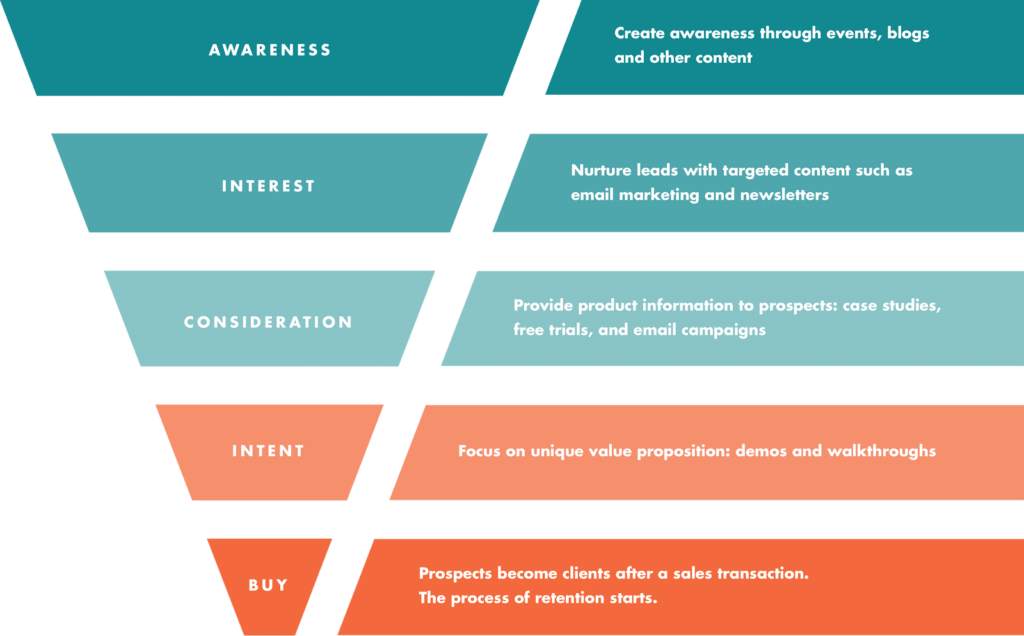
Many organizations develop qualification rules over time rather than through a unified process. These informal practices lead to varied interpretations across teams. What one SDR considers a qualified opportunity may differ from what sales leadership expects. These mismatches introduce uncertainty into the pipeline.
How inconsistency affects revenue
When qualification standards vary across individuals or teams, revenue leaders cannot rely on the pipeline as a stable forecasting tool. Deals move forward without clear proof of intent or stall because early criteria did not reflect actual buyer readiness. Over time, this weakens conversion rates and complicates resource planning.
Creating a unified structure
CROs strengthen qualification accuracy by establishing shared requirements for lead readiness. These requirements may include engagement thresholds, demographic criteria, and behavioral signals that consistently appear in successful deals. Reviewing these standards alongside sales and marketing leadership ensures that everyone evaluates opportunities using the same definition.
Data Quality Issues That Shape Lead Accuracy
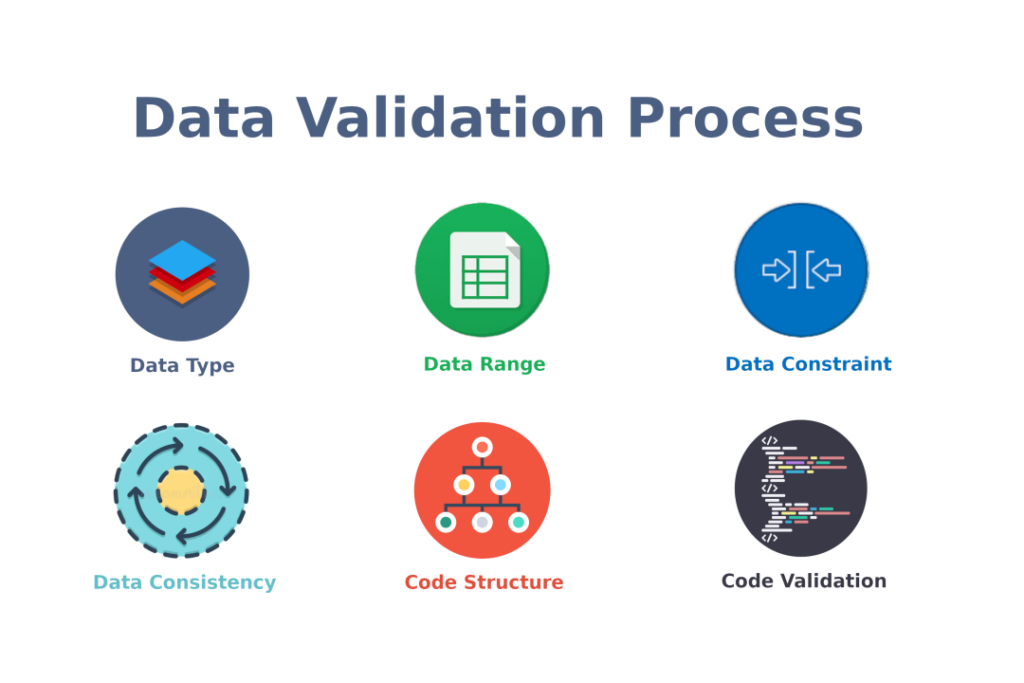
Qualification depends on strong data. Yet many organizations struggle with incomplete, outdated, or duplicate records. These issues limit a CRO’s ability to evaluate pipeline strength and make reliable predictions.
Common data gaps
Teams often face situations where lead records lack essential information, such as contact details, buying role, or industry alignment. Stale data also creates challenges because it misrepresents buyer readiness. Duplicate profiles scatter insights across multiple records and reduce visibility into buyer engagement.
Why data organization matters
Accurate qualification depends on access to complete information at the moment of evaluation. When data systems do not integrate or update consistently, revenue teams operate with partial visibility. This creates a cycle of misaligned follow up, lost opportunities, and inaccurate forecasts.
Challenges with Buyer Visibility and Engagement Tracking
Modern buyers interact across several channels. Some engage with webinars, digital content, and outbound outreach. Others respond directly to calls and emails. CROs need visibility into these interactions to understand when a buyer has reached a meaningful engagement point.
Fragmented engagement data
If marketing automation, CRM systems, and sales engagement tools do not communicate, teams lose context around buyer behavior. A prospect may appear unresponsive to one team even though they engaged heavily on another channel.
Better insight supports stronger qualification
When organizations connect engagement data across systems, they gain a complete view of buyer activity. This allows teams to identify real interest, prioritize effectively, and reduce the number of unqualified opportunities entering the pipeline.
Operational Bottlenecks in the Lead Handoff Process
Handoffs between marketing, SDRs, and sales teams often create friction. Delayed follow up, unclear ownership, and inconsistent expectations contribute to qualification inaccuracy. These issues directly affect pipeline performance.
Where breakdowns occur
Inefficient handoffs cause buyer momentum to slow. If SDRs receive leads before they meet qualification standards, they spend time filtering instead of progressing real opportunities. If sales receives opportunities without clear context, deals stall while teams gather missing information.
Strengthening the handoff
Structured processes support accuracy by defining responsibilities for every stage. Clear checkpoints ensure that leads meet required criteria before advancing. Teams move more efficiently because expectations remain consistent at each step.
Forecasting Challenges Linked to Qualification Accuracy
CROs rely on strong qualification data to produce reliable forecasts. When qualification accuracy drops, forecasting confidence decreases. Pipeline coverage becomes harder to evaluate because early stage deals do not represent true revenue potential.
Indicators of weak forecasting
- Early pipeline stages hold too many low quality opportunities
- Conversion rates vary widely from quarter to quarter
- Revenue leaders spend excessive time recalibrating forecast assumptions
Forecasting depends on repeatable patterns. If qualification becomes inconsistent, these patterns disappear. This makes it harder to allocate resources, set attainable targets, or provide accurate guidance to executive leadership.
The Role of Predictive Tools in Improving Lead Qualification
Predictive analytics strengthen qualification accuracy by showing which factors correlate with closed deals. These insights help teams build objective criteria around historical performance and observable behavior.
Here are the areas where predictive tools support CRO lead qualification most effectively:
- Identifying patterns that appear in high converting leads
- Scoring opportunities using real engagement signals
- Highlighting early indicators of long sales cycles
- Reducing reliance on subjective interpretation
These insights give revenue teams a more reliable way to assess pipeline strength and prioritize outreach.
Aligning Revenue Teams to Strengthen Qualification Accuracy
Strong qualification requires consistent communication between marketing, SDRs, and sales. Revenue teams improve outcomes by meeting regularly to review criteria, share performance insights, and refine processes together. This alignment ensures that everyone evaluates leads with the same expectations and understands how qualification impacts revenue performance.
Standardized criteria
Shared definitions eliminate guesswork and help teams evaluate readiness objectively.
Regular review
Recurring collaboration sessions give teams the opportunity to adjust criteria as market behavior changes.
Clear ownership
Every team member understands their role in qualification, which helps maintain momentum and reduce delays.
A More Reliable Path to Stronger Pipeline Performance
CROs face ongoing pressure to improve accuracy across the revenue engine. Qualification stands at the center of this responsibility. When organizations strengthen data quality, streamline handoffs, increase buyer visibility, and align teams around shared criteria, qualification becomes more reliable. These improvements help teams convert faster, forecast more accurately, and maintain consistent pipeline performance.
Strengthen Lead Qualification Accuracy Today with Televerde
Effective lead qualification supports accurate forecasts, faster conversion, and more efficient revenue operations. Televerde helps organizations overcome qualification challenges through structured processes, experienced inside sales teams, and data driven outreach that supports predictable growth.
Ready to scale your sales operations with confidence? Discover how Televerde’s inside sales solutions help organizations expand reach, improve efficiency, and accelerate revenue. Contact us to learn more.