



How to Compare B2B Lead Generation Vendors
Selecting the right B2B lead generation partner has a direct impact on pipeline performance, sales efficiency, and long term revenue growth. With so many vendors offering similar services on the surface, it can be difficult to determine which providers use the processes, technology, and expertise needed to meet your organization’s goals. Leaders evaluating new partners must compare lead generation vendors using objective criteria that reflect measurable performance, reliable data, and consistent qualification practices.
An effective comparison moves beyond price or volume promises. It focuses on the systems and methods that influence the quality of every lead entering the pipeline. This article outlines the factors organizations should review when evaluating potential partners and explains how each element supports stronger pipeline outcomes.
Quick Takeaways
- Vendor selection should focus on data quality, qualification structure, and alignment with sales goals.
- Process transparency and access to performance reporting indicate long term reliability.
- Technology and system integration determine how well leads transition into sales workflows.
- Teams gain better results when vendors operate as strategic partners rather than transactional providers.
Evaluate the Vendor’s Qualification Process
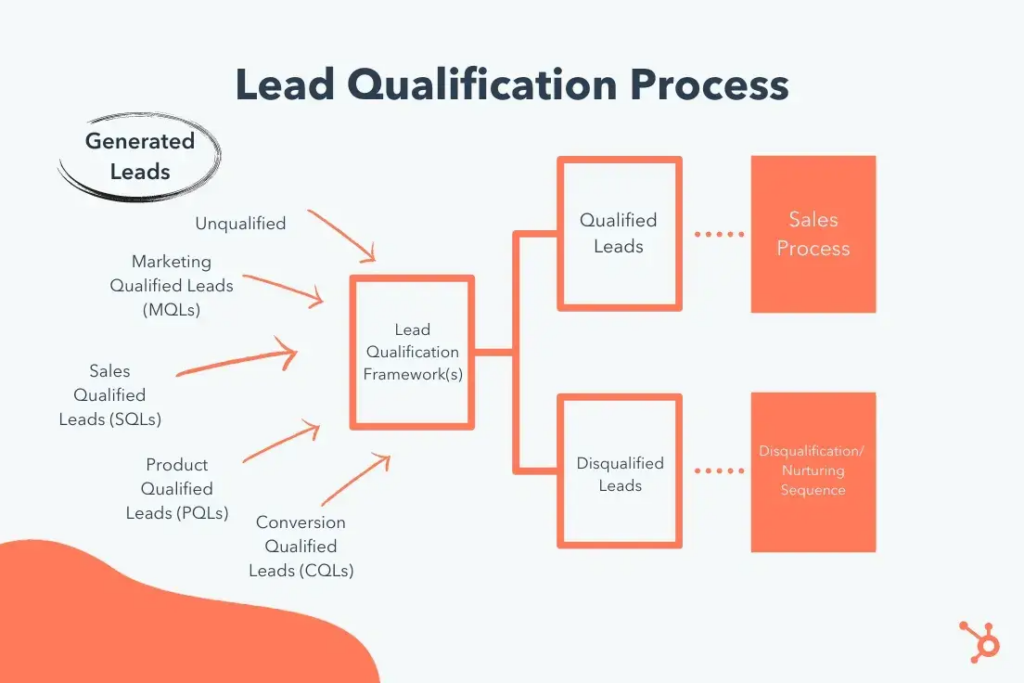
Qualification accuracy influences every stage of the pipeline. Strong lead generation partners use structured criteria, clear definitions, and consistent validation methods to determine readiness. These elements reduce uncertainty and support a more predictable handoff to internal sales teams.
What strong qualification looks like
A reliable vendor applies standards that evaluate demographic fit, engagement behavior, budget alignment, and timeline indicators. These factors help ensure that leads match the organization’s ideal customer profile. Teams also benefit from detailed notes that explain buyer motivations, challenges, and recent interactions.
Why process structure matters
If qualification criteria vary from one representative to another, the vendor’s output becomes inconsistent. This inconsistency affects conversion rates and forecasting. A structured qualification process creates predictable outcomes and supports more accurate pipeline management.
Compare Data Quality and Accuracy
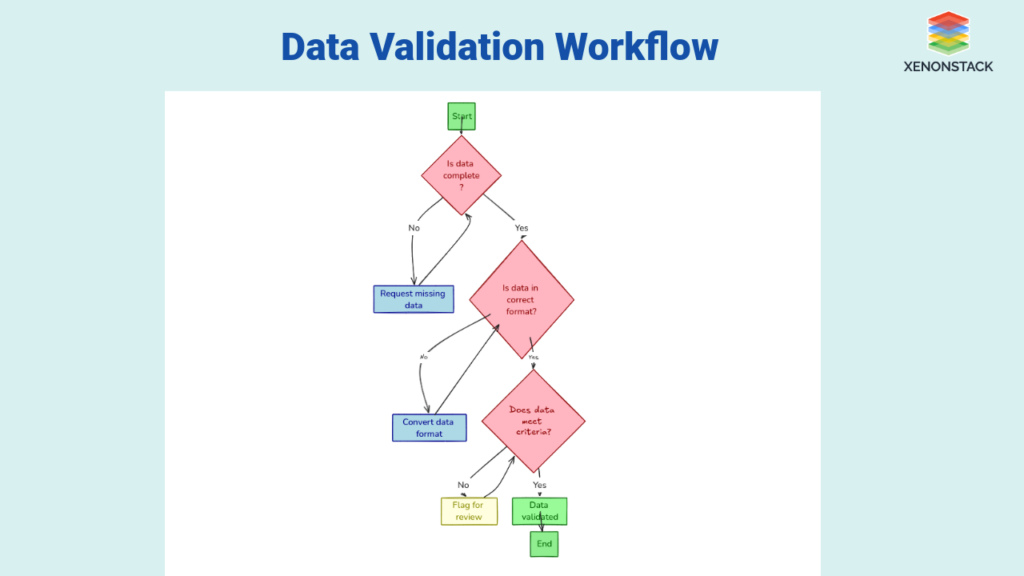
Data drives every step of lead generation. Vendors must demonstrate how they collect, verify, and maintain information. Accurate data improves segmentation, outreach timing, and lead scoring. It also ensures that internal teams avoid wasted effort on outdated or incomplete records.
Factors to review
Ask vendors how they validate contact details, identify buying roles, and enrich records with industry or firmographic insights. Vendors that rely on manual updates or low quality data sources introduce long term risk. A partner with strong data governance helps maintain cleaner pipelines and supports more effective outbound work.
Assess Alignment with Your ICP and Revenue Goals
Not all vendors specialize in the same industries or customer profiles. When organizations compare lead generation vendors, they must determine whether each provider understands their market, target buyers, and sales motion.
Market fit
A vendor with experience in your industry or vertical typically delivers better results. They already understand common objections, buying triggers, and the decision making process. This insight helps teams connect with relevant contacts and maintain momentum during early conversations.
Sales alignment
Vendors that align their qualification practices with your revenue goals support stronger conversion rates. Clear expectations around buyer readiness, follow up timing, and key qualification signals help internal teams advance opportunities efficiently.
Review Technology and System Integration
Lead generation performance improves when vendors use modern tools that connect to your CRM, marketing automation platform, and sales engagement systems. Integration supports real time visibility and reduces manual transfer errors.
Integration benefits
Integrated systems allow sales teams to access call notes, activity data, and qualification details without delay. This transparency helps teams follow up faster and maintain consistent messaging. It also supports accurate reporting because activity flows directly into your existing tools.
Transparency and Reporting Practices
Reliable vendors provide clear reporting that outlines performance trends, conversion rates, and qualification outcomes. This transparency allows revenue leaders to evaluate progress, identify gaps, and refine outreach strategies.
What strong reporting includes
Effective reports track outreach volume, meaningful conversations, qualification rates, and scheduled sales interactions. Detailed reports help organizations measure vendor value and determine whether the partnership supports long term pipeline goals.
Consider the Vendor’s Approach to Outreach Quality
Lead generation involves more than call volume or email frequency. The quality of outreach influences how prospects respond and whether conversations progress toward qualification. Vendors that prioritize meaningful engagement build stronger connections with buyers.
Engagement strategy
Ask about the vendor’s messaging approach, outreach cadence, and methods for personalizing conversations. High performing vendors invest time in understanding buyer needs rather than relying on scripted outreach. This approach increases the likelihood of conversion and reduces disengagement.
Evaluate Scalability and Flexibility
Pipeline needs shift throughout the year. Organizations benefit from partners that adjust quickly to support seasonal demand, new product launches, or changes in target markets. Scalability helps revenue teams maintain momentum during growth periods.
Flexible support
A scalable vendor can increase or reduce resources based on your pipeline goals without compromising quality. This flexibility helps organizations maintain healthy coverage without overspending on services they do not need year round.
Identify Signs of a Strategic Partner, Not a Transactional Vendor
The best lead generation partners operate as extensions of your sales organization. They take responsibility for performance, share insights, and contribute to long term strategy. This strategic approach helps organizations maintain a stronger revenue engine.
Characteristics of a strategic partner
- Shared performance reviews
- Collaborative planning sessions
- Clear communication with internal teams
- Consistent refinement of qualification criteria
These qualities indicate a partner committed to supporting your long term revenue goals.
A More Effective Way to Compare Lead Generation Vendors
Organizations evaluating new vendors should prioritize process structure, data accuracy, engagement quality, and alignment with their market. These factors influence the reliability of every lead entering the pipeline and determine how effectively opportunities transition into sales cycles. A thorough comparison helps teams select a partner that supports predictable growth and consistent performance.
Today with Televerde: Strengthen Your Vendor Evaluation Process
Effective vendor selection helps organizations improve qualification accuracy, increase conversion rates, and maintain a stronger pipeline. Televerde provides lead generation and inside sales support built on structured engagement, reliable data, and proven processes that help teams reach more qualified buyers.
Ready to scale your sales operations with confidence? Discover how Televerde’s inside sales solutions help organizations expand reach, improve efficiency, and accelerate revenue. Contact us to learn more.