



Marketing Automation Case Study: ROI in Action
Marketing automation often gets positioned as a tool for efficiency. It helps teams send emails faster, manage campaigns at scale, and streamline repetitive tasks. Those benefits matter, but they don’t tell the full story.
The real value of automation shows up in revenue. It appears in stronger lead conversion, shorter sales cycles, and better alignment between marketing and sales. Without clear results tied to pipeline and closed business, automation remains an operational upgrade rather than a growth driver.
That gap is where many organizations struggle. They invest in platforms, build workflows, and launch campaigns, but they cannot clearly connect those efforts to measurable ROI.
A marketing automation case study helps close that gap. It shows how strategy, execution, and data come together to drive real outcomes. It also reveals what separates teams that generate results from those that stall after implementation.
In this article, we break down how marketing automation delivers ROI in practice. From initial challenges to measurable gains, this case study highlights how organizations turn automation into a revenue engine.
Quick Takeaways
- Marketing automation delivers measurable ROI when tied directly to pipeline and revenue outcomes
- Lead quality improves when automation supports segmentation, scoring, and personalization
- Alignment between marketing and sales plays a major role in automation success
- Consistent data tracking and reporting make it possible to measure impact clearly
- Automation enables teams to scale demand generation without increasing manual effort
Why Marketing Automation ROI Is Often Misunderstood
Many organizations approach marketing automation with the expectation that it will immediately improve performance. They implement a platform, launch a few workflows, and begin tracking activity metrics like email opens and click-through rates. While those indicators provide useful signals, they do not reflect true business impact.
The challenge lies in how ROI gets defined. Marketing teams often focus on output rather than outcomes. Sending more campaigns, increasing engagement rates, or building larger contact lists can create the appearance of progress. However, these efforts do not always translate into qualified opportunities or revenue.
A marketing automation case study makes this distinction clear. Automation creates value when it influences the buyer journey in a measurable way. That means improving how leads move through the funnel, strengthening conversion rates, and contributing directly to pipeline growth.
Another common issue is the disconnect between marketing and sales. If marketing generates leads but sales does not follow up effectively, automation efforts stall. Without shared definitions and aligned processes, even well-designed campaigns fail to produce results.
Data visibility also plays a major role. Many teams struggle to connect campaign performance to pipeline metrics. They can see how many emails were sent, but they cannot track how those interactions influenced deal progression or closed revenue.
To understand ROI, organizations must shift their focus. Automation is not just a tool for execution. It is a system that connects engagement, qualification, and conversion. When implemented with that perspective, it becomes possible to measure impact in real terms.
The Business Challenge: Where This Case Study Begins
This marketing automation case study begins with a situation that many organizations recognize. A mid-sized B2B company had invested in a marketing automation platform but struggled to see meaningful returns. Campaigns were active, leads were flowing in, and engagement appeared steady. Despite that activity, revenue impact remained unclear.
Several challenges contributed to the problem.
Lead management lacked structure. Marketing generated a high volume of contacts, but there was no consistent way to prioritize them. Sales teams received leads without clear context, which made follow-up inconsistent and often delayed.
Conversion rates remained low. Many leads entered the funnel, but few progressed to qualified opportunities. Without proper segmentation or scoring, high-intent prospects were treated the same as early-stage contacts.
Visibility into performance was limited. The marketing team tracked campaign activity, but they could not connect those efforts to pipeline or revenue. Reporting focused on surface-level metrics rather than outcomes tied to business growth.
The disconnect between marketing and sales created additional friction. Each team operated with different expectations. Marketing focused on generating leads, while sales prioritized closing deals. Without alignment, opportunities were missed and follow-up efforts lacked consistency.
Manual processes added another layer of inefficiency. Lead routing, nurturing, and follow-up required significant effort, which slowed down response times and reduced overall effectiveness.
These challenges created a gap between effort and impact. The organization had the tools in place, but it lacked the structure needed to turn automation into a measurable revenue driver.
The Approach: Building a Revenue-Focused Automation Strategy
To turn marketing automation into a measurable growth driver, the organization shifted its focus from activity to outcomes. Instead of asking how many campaigns they could launch, they focused on how each interaction would move prospects closer to a decision.
This required a structured approach built around alignment, prioritization, and visibility.
Aligning Marketing and Sales Goals
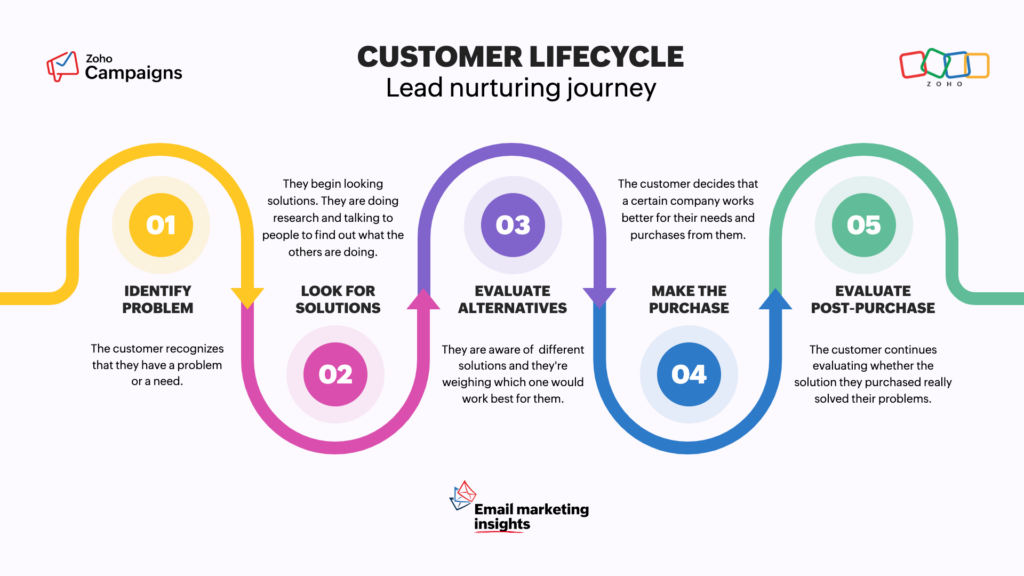
The first step involved bringing marketing and sales into alignment. Both teams defined what qualified meant at each stage of the funnel. This included clear criteria for marketing-qualified leads, sales-qualified leads, and opportunities.
They also established expectations around follow-up timing. Sales teams committed to responding to high-intent leads within a defined window, while marketing ensured that only properly qualified leads were passed along.
This alignment reduced friction and created accountability on both sides.
Implementing Lead Scoring and Segmentation
Next, the organization introduced a lead scoring model that combined demographic fit with behavioral signals. Actions such as content downloads, page visits, and email engagement helped identify which leads were actively moving toward a purchase decision.
Segmentation also improved targeting. Instead of sending the same message to every contact, campaigns were tailored based on industry, role, and stage in the buying process.
This shift allowed marketing to prioritize high-intent prospects while continuing to nurture early-stage leads.
Designing Automated Workflows
With alignment and segmentation in place, the team built automated workflows that guided leads through the funnel.
These workflows included:
- Nurture sequences based on buyer stage
- Trigger-based emails tied to specific actions
- Multi-touch campaigns that reinforced messaging across channels
Each workflow served a clear purpose. Some focused on educating prospects, while others aimed to accelerate decision-making for leads already showing strong intent.
Automation ensured that every lead received timely and relevant communication without requiring manual effort.
Improving Data Visibility
To measure impact, the organization invested in better reporting and tracking. They built dashboards that connected campaign performance to pipeline metrics.
Instead of focusing only on engagement, they tracked:
- Lead progression through funnel stages
- Conversion rates between stages
- Pipeline generated from marketing efforts
This visibility made it possible to evaluate what worked and where adjustments were needed.
Execution: Turning Strategy into Action
With a clear strategy in place, the organization focused on execution. Rather than launching everything at once, they rolled out changes in phases to test performance and refine their approach.
Initial campaigns targeted high-intent segments where quick wins were most likely. This allowed the team to validate their lead scoring model and confirm that workflows were functioning as expected.
As results began to improve, they expanded automation across additional segments and campaign types.
Execution focused on consistency and iteration.
- Campaigns were monitored closely to identify performance trends
- Messaging was adjusted based on engagement and conversion data
- Workflows were refined to remove friction and improve timing
- Sales feedback was incorporated to improve lead quality
The team also prioritized speed. Automated routing ensured that high-value leads reached sales quickly, reducing the risk of missed opportunities.
Over time, the process became more efficient. Automation handled routine tasks, while marketing and sales teams focused on higher-value activities such as strategy, personalization, and relationship building.
This combination of structured execution and ongoing optimization created the foundation for measurable ROI.
The Results: Measuring ROI in Real Terms
As the new strategy took hold, the organization began to see measurable improvements across key performance areas. Instead of relying on surface-level engagement metrics, they focused on outcomes tied directly to pipeline and revenue.
The impact of marketing automation became clear through consistent, trackable gains.
Higher Lead Conversion Rates
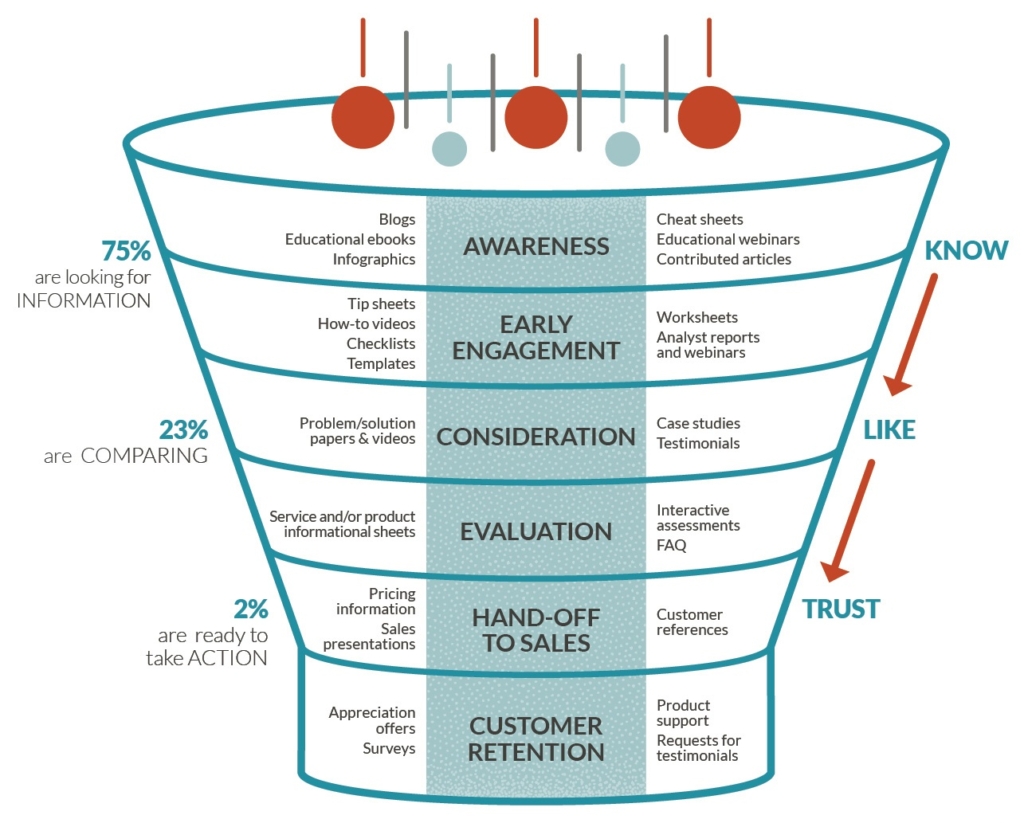
One of the first improvements appeared in conversion rates. With lead scoring and segmentation in place, sales teams received leads that were more aligned with their target criteria.
As a result, the conversion rate from marketing-qualified leads to sales-qualified leads increased significantly. Sales teams spent less time filtering through unqualified contacts and more time engaging with prospects who were ready for meaningful conversations.
This shift improved efficiency while increasing the likelihood of moving leads further down the funnel.
Shorter Sales Cycles
Automation also reduced delays in follow-up. High-intent leads triggered immediate engagement through automated workflows and faster routing to sales.
This responsiveness helped maintain momentum during the buying process. Prospects received relevant information at the right time, which reduced hesitation and supported quicker decision-making.
Over time, the average sales cycle shortened as leads progressed through the funnel more efficiently.
Increased Pipeline Contribution
Marketing’s contribution to pipeline became more visible and more substantial. With improved tracking in place, the organization could clearly attribute opportunities to specific campaigns and workflows.
The volume of qualified opportunities sourced from marketing increased, and those opportunities showed higher conversion potential compared to previous efforts.
This shift positioned marketing as a direct driver of revenue rather than a supporting function.
Improved Operational Efficiency
Automation reduced the need for manual intervention across several processes. Lead routing, nurturing, and follow-up became more streamlined, allowing teams to focus on higher-value work.
Marketing teams spent less time managing repetitive tasks and more time refining strategy and messaging. Sales teams benefited from clearer lead prioritization and more consistent engagement.
This efficiency translated into better use of resources without requiring additional headcount.
Before and After: A Clear Shift in Performance
Before implementing a structured marketing automation strategy, the organization struggled to connect effort with outcome. Lead volume remained high, but conversion rates were inconsistent and difficult to predict. Sales teams often spent time on leads that lacked intent, which slowed down the pipeline and reduced overall efficiency.
After aligning strategy, automation, and data visibility, performance became more predictable and more measurable. Leads entering the funnel showed stronger engagement signals, and qualification processes helped prioritize opportunities with higher potential value.
The difference appeared across the entire funnel. Marketing-generated leads progressed more consistently into sales conversations. Sales teams engaged prospects earlier in their decision-making process. Pipeline growth reflected not only higher volume, but improved quality.
This shift made ROI easier to track and easier to scale. Instead of relying on isolated campaign performance, the organization built a system that supported sustained revenue impact.
Key Metrics That Prove Marketing Automation ROI
To validate the impact of their efforts, the organization tracked a set of metrics tied directly to business outcomes. These metrics provided a clear view of how automation influenced performance.
- Conversion rates between funnel stages: Improved progression from lead to opportunity indicated stronger alignment and better qualification.
- Pipeline growth: An increase in marketing-sourced opportunities demonstrated the direct contribution of automation to revenue generation.
- Revenue influenced by marketing: Tracking closed deals tied to automated campaigns provided a clear link between marketing efforts and business results.
- Cost per lead: More targeted campaigns and better segmentation reduced wasted spend and improved efficiency.
- Sales cycle length: Shorter cycles reflected faster engagement and more effective nurturing.
By focusing on these metrics, the organization gained a realistic understanding of ROI. Automation was no longer evaluated based on activity alone, but on its ability to drive measurable growth.
What Made the Difference
Several factors contributed to the success of this marketing automation case study. While technology played a role, the results came from how the organization approached strategy and execution.
Alignment between marketing and sales created a shared understanding of goals and expectations. Both teams worked toward the same outcomes, which reduced friction and improved consistency.
Data visibility allowed the organization to track performance beyond surface-level metrics. Clear reporting made it possible to identify what was working and where adjustments were needed.
Ongoing optimization ensured that campaigns and workflows continued to improve over time. Rather than treating automation as a one-time implementation, the team approached it as an evolving system.
A focus on revenue kept efforts grounded. Every campaign, workflow, and adjustment was evaluated based on its impact on pipeline and business growth.
How to Replicate These Results
Organizations looking to achieve similar outcomes can apply a structured approach to marketing automation. Success depends on connecting strategy, execution, and measurement from the start.
1. Start with Clear Revenue Goals
Define what success looks like in terms of pipeline and revenue. Set targets for conversion rates, opportunity creation, and influenced revenue so automation efforts stay aligned with business outcomes.
2. Build Workflows Around Buyer Behavior
Design campaigns that reflect how prospects move through the buying process. Use behavioral triggers, engagement signals, and timing to guide leads through each stage with relevant messaging.
3. Maintain Clean, Connected Data Systems
Accurate data supports effective automation. Ensure that systems are integrated, records are updated, and lead information is consistent across marketing and sales platforms.
4. Prioritize Lead Qualification
Use scoring and segmentation to focus on high-value prospects. This improves efficiency and ensures that sales teams spend time on leads that are more likely to convert.
5. Continuously Test and Optimize
Monitor performance and adjust campaigns regularly. Test messaging, timing, and workflows to identify what drives the best results and refine accordingly.
6. Strengthen Sales Follow-Up
Automation can deliver qualified leads, but timely and consistent follow-up determines whether those leads convert. Establish clear expectations for response time and engagement.
By following these steps, organizations can move beyond basic automation and build a system that supports sustained growth.
7. Align Content with Each Funnel Stage
Ensure that messaging matches where prospects are in the buying process. Early-stage leads require educational content, while later-stage prospects need more detailed information to support decision-making.
When content aligns with intent, automation becomes more effective. Leads receive relevant communication that moves them forward rather than overwhelming them with unnecessary information.
Common Pitfalls That Limit ROI
Even with the right tools in place, several challenges can prevent organizations from realizing the full value of marketing automation.
Poor data quality creates unreliable insights and weak targeting. Without accurate information, even well-designed campaigns struggle to perform.
Lack of alignment between marketing and sales leads to missed opportunities. If expectations are unclear, leads may not receive the attention needed to convert.
Over-automation can reduce effectiveness. Sending too many messages or relying on rigid workflows can disengage prospects instead of guiding them forward.
Focusing on the wrong metrics also limits progress. Tracking activity without connecting it to revenue makes it difficult to evaluate true impact.
Inconsistent optimization slows improvement. Automation requires ongoing refinement to maintain performance over time.
Recognizing these challenges early helps organizations avoid common setbacks and maintain momentum.
Turn Marketing Automation Into Revenue Impact Today with Televerde
A strong marketing automation case study shows what is possible when strategy, alignment, and execution work together. Organizations that focus on revenue outcomes, maintain clear visibility into performance, and continuously refine their approach see meaningful improvements across conversion, pipeline, and efficiency.
Automation alone does not drive results. The impact comes from how teams use it to guide buyers, support sales, and measure success in real terms.
Ready to turn marketing insight into revenue impact? Discover how Televerde helps organizations strengthen demand generation programs, align marketing and sales efforts, and drive measurable pipeline growth. Contact us to learn more.