



Pain Points CSOs Face with Appointment Setting ROI
For chief sales officers, sales appointment setting sits at a critical intersection. It affects pipeline health, seller productivity, and revenue predictability. Yet it often remains one of the hardest areas to measure clearly.
CSOs are expected to justify investment decisions with confidence. That becomes difficult when appointment setting performance is inconsistent, poorly attributed, or disconnected from revenue outcomes. When results fall short, leadership questions the model rather than the execution.
Understanding the most common pain points tied to appointment setting ROI helps sales leaders diagnose issues early and make informed adjustments. This article outlines the challenges CSOs face and what strong appointment setting programs do differently.
Quick Takeaways
- Appointment volume alone does not indicate ROI.
- Poor data attribution obscures revenue impact.
- Misaligned incentives reduce meeting quality.
- Inconsistent execution limits scalability.
- Better visibility leads to more confident investment decisions.
The Core Challenge: Proving Appointment Setting ROI
Activity Is Easy to Measure. Revenue Is Not.
Most appointment setting programs generate activity metrics quickly. Calls made. Emails sent. Meetings booked. These numbers create the appearance of momentum.
The problem emerges later. When CSOs review pipeline progression, the connection between appointments and revenue becomes unclear. Deals stall. Conversion rates vary. Forecast confidence weakens.
Without a clear line from meeting to revenue, appointment setting is viewed as operational support rather than a strategic growth lever.
Pain Point 1: Weak Revenue Attribution Models
Appointments Are Disconnected From Outcomes
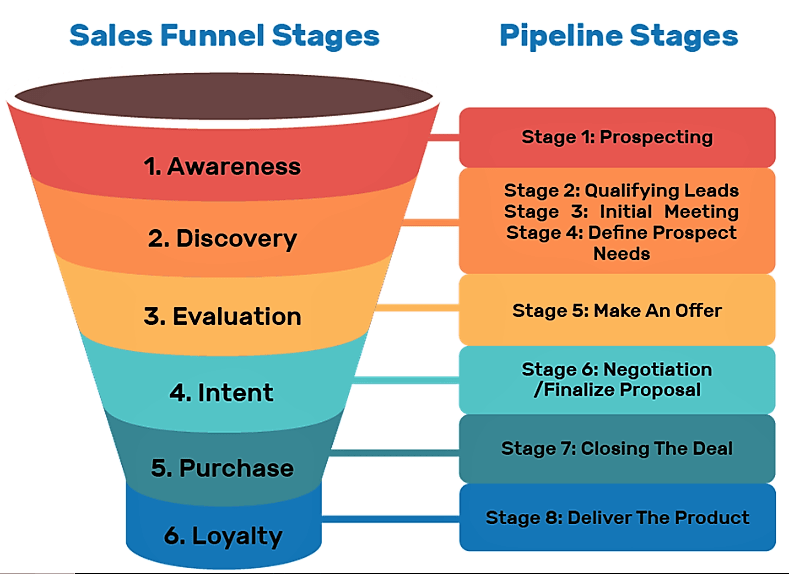
One of the most persistent challenges CSOs face is attribution. Appointment setting often lives at the top of the funnel, while revenue reporting focuses on closed deals.
When systems fail to connect early engagement to opportunity creation and deal progression, appointment setting ROI calculations fall apart. Leadership questions whether appointment setting influences results or simply fills calendars.
Why This Matters
Poor attribution limits decision-making. CSOs cannot accurately compare internal programs, outsourced models, or market performance. Budget discussions become reactive rather than strategic.
Strong attribution models help leaders understand which appointments convert, which channels perform, and where adjustments are needed.
Pain Point 2: Volume-Driven Metrics That Undermine Quality
More Meetings Do Not Guarantee Better Results
Appointment setting teams are often measured on volume. Meeting counts become the primary indicator of success.
This creates misaligned incentives. Setters prioritize speed over relevance. Sales teams inherit poorly qualified conversations. Time gets wasted, and confidence erodes.
The Downstream Impact
CSOs see the consequences in pipeline reviews. High activity does not translate into strong opportunity progression. Sellers disengage. Conversion rates decline.
Appointment setting ROI suffers when quantity replaces quality as the primary success metric.
Pain Point 3: Misalignment Between Appointment Setters and Sales Teams
Different Goals Create Friction
Appointment setting works best when setters and sellers operate as a unified system. In many organizations, that alignment breaks down.
Setters focus on booking meetings. Sales teams focus on closing deals. When definitions of success differ, accountability becomes unclear.
What CSOs Experience
Missed follow-ups. Low meeting acceptance rates. Finger-pointing between teams.
Misalignment reduces efficiency and weakens ROI. Clear expectations and shared goals improve collaboration and outcomes.
Pain Point 4: Inconsistent Execution Across Markets and Teams
Success Does Not Scale Automatically
Some teams consistently generate strong meetings. Others struggle with the same tools and messaging.
CSOs often see uneven results across regions, verticals, or seller experience levels. This inconsistency creates forecasting risk and complicates expansion plans.
Why Consistency Matters
Scalability depends on repeatability. Appointment setting ROI improves when execution standards remain consistent regardless of market or team structure.
Without standard processes, performance becomes unpredictable.
Pain Point 5: Limited Visibility Into Performance Drivers
Fragmented Reporting Clouds Insight
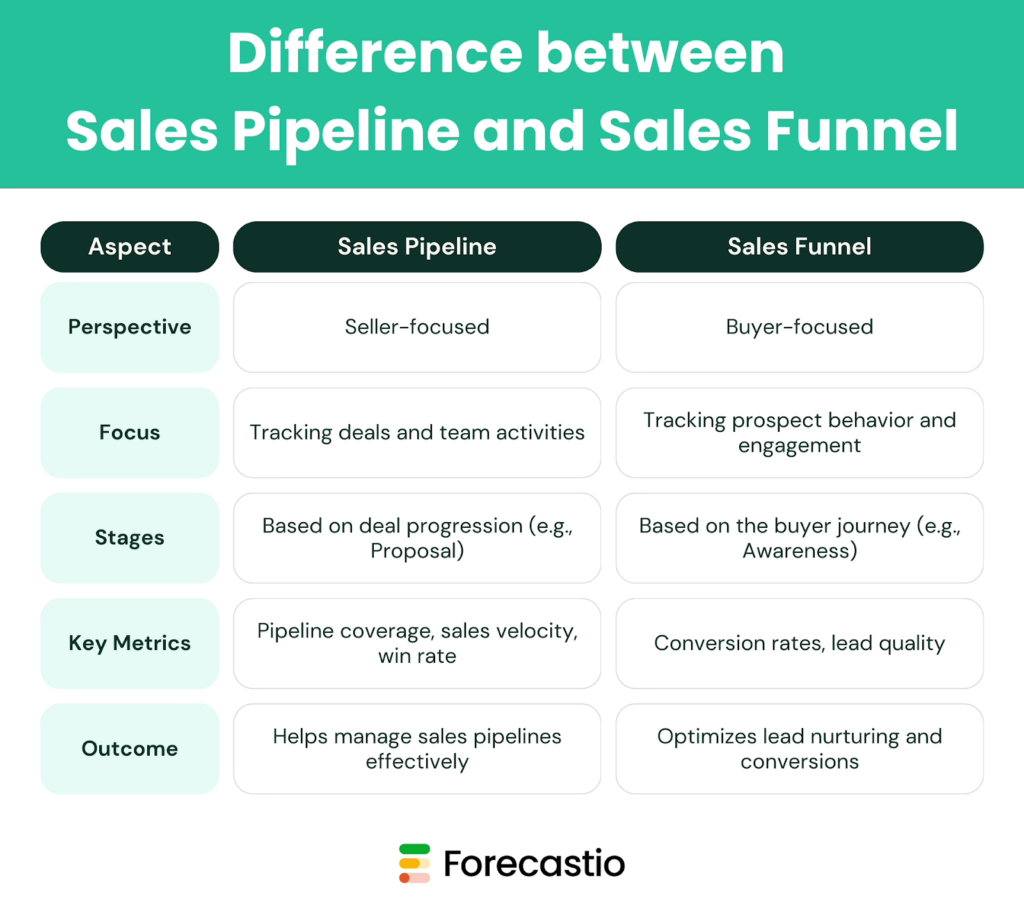
Appointment setting data often lives across multiple systems. Outreach tools, CRM platforms, and sales dashboards fail to present a unified view.
CSOs lack insight into which activities drive meaningful results. Performance reviews rely on surface-level metrics rather than actionable insight.
The Cost of Limited Visibility
Decisions get delayed. Problems surface late. Optimization opportunities go unnoticed.
Better visibility allows leaders to diagnose issues early and adjust strategy with confidence.
Pain Point 6: Difficulty Scaling Without Escalating Cost
Growth Increases Pressure on Resources
As organizations grow, appointment setting demands expand. New markets, larger account lists, and higher revenue targets strain existing teams.
Hiring internally takes time. Ramp periods delay ROI. Performance varies by hire.
The ROI Implication
Scaling appointment setting without structure increases cost faster than results. CSOs face pressure to grow pipeline efficiently while maintaining quality.
Sustainable ROI depends on models that support flexibility, enablement, and operational leverage.
Why Appointment Setting ROI Matters to Sales Leadership
Appointment setting shapes pipeline quality long before deals reach forecasts. It determines which accounts engage, which sellers stay productive, and how resources get allocated.
When ROI remains unclear, growth decisions carry more risk. CSOs hesitate to invest further, even when pipeline gaps exist.
Clear appointment setting ROI enables confident planning, better forecasting, and stronger alignment between sales strategy and execution.
Improve Appointment Setting ROI Today with Televerde
Appointment setting ROI challenges often stem from structure, visibility, and alignment gaps rather than effort. CSOs face pressure to justify investment decisions while navigating inconsistent performance and unclear attribution.
Organizations that address these pain points gain clearer insight into revenue contribution and operational efficiency. Structured appointment setting programs improve consistency, transparency, and scalability.
Televerde helps sales leaders improve appointment setting ROI through data-driven inside sales solutions designed to support quality engagement and measurable outcomes.
Ready to improve appointment setting ROI with confidence?
Discover how Televerde’s inside sales solutions help organizations improve sales appointment setting quality, increase visibility into performance, and drive predictable revenue impact. Contact us today to learn more.