


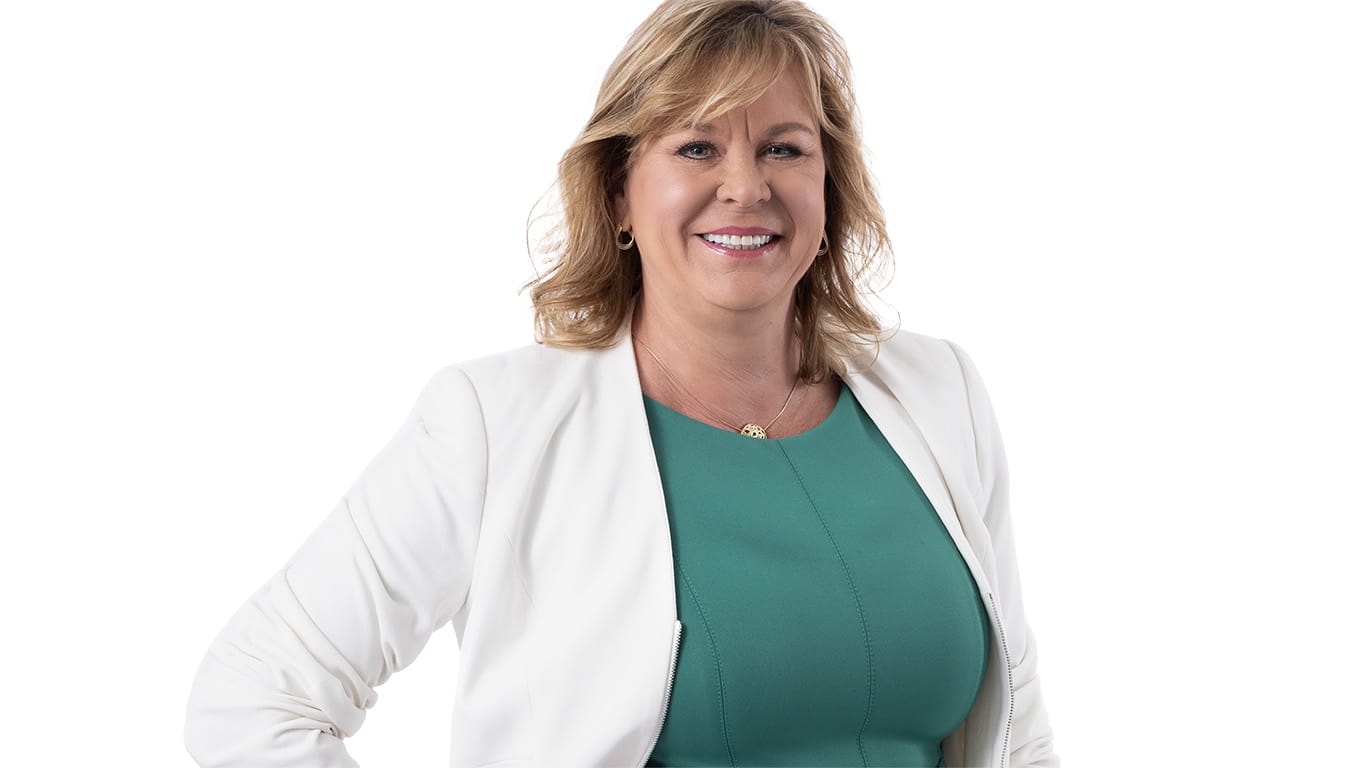
The Backhanded Compliment of My Second Chance
Originally published on Newsweek
I have a routine I’ve perfected over the last twenty-something years. It usually happens at a networking event or over coffee with a new peer. The conversation is easy, professional, and familiar. We talk about business or the latest industry trends. Then, the moment comes when I share my story.
I tell them I’m a wife, mother, and grandmother. I tell them I’m a non-profit CEO, but that I’ve also served as the CMO of a global for-profit company. I tell them I’ve led teams across continents and navigated high-stakes corporate shifts. “I also served a seven-year prison sentence in Arizona.”
For a moment, you can hear a pin drop. Then comes the sharp intake of breath, a wide-eyed stare, and the inevitable: “Wow, I never would have guessed. You’re…so impressive.”
They mean it as a compliment, thinking they’re being supportive in their awe of “the journey I’ve traveled.” But underneath the admiration is something harder to admit: their mental image of a “convict” doesn’t include someone sitting across the table from them.
In those moments, I’m expected to be gracious, say “thank you” for their awakening, and validate their surprise that someone who’s been incarcerated could also be smart, kind, and exactly like them. And here’s the reality: I’m not the exception. I’m just one who got through.
When we talk about Second Chance Month, we often focus on the “success stories” — the people who made it to the C-suite or the podium. We celebrate them as if they’re outliers who somehow shed their “prisoner” skin to become human again.
But the women I served time with weren’t fundamentally different. They were mothers who made desperate choices. They were women with the same “misguided entrepreneurial spirit” I had, using their minds for survival because no one had shown them a legitimate path to use those skills in business. They were already leaders; they just lacked a legitimate platform.
The reaction people have when they hear my story is never really about me. It’s a reflection of a narrative we’ve been fed for decades: that the millions of people behind bars are a monolith of “the other.” We’ve been taught to freeze them in their worst moment and strip away their complexity, potential, and ultimately, their humanity.
When someone tells me, “I never would have guessed,” what they’re really saying is, “I didn’t realize people like me ended up in places like that.” They’re shocked because I look like them, speak like them, and lead like them. And if I can be one of “those people,” then the barrier they’ve built between their world and the inside of a prison cell starts to crumble.
The truth is that people with stories like mine are everywhere. In fact, for most of my career, I kept my incarceration private. I only began speaking openly about it about a decade ago because I knew the moment I did, the polite distance would disappear and the judgment would begin. Suddenly your value is measured against your worst mistake instead of everything you’ve built since.
We don’t need more moments of shock and awe. We need to change the assumptions we start with.
A second chance shouldn’t be a miracle that requires a CEO title to be valid. It also shouldn’t require a formerly incarcerated person to be “impressive” just to be seen as human.
Second Chance Month should challenge us to look at the person behind the record, not with surprise, but with the recognition that their potential didn’t disappear the moment the cell door locked.
I’m not a miracle. I’m proof of what happens when a past is treated as a chapter rather than the whole book. Millions of others are still waiting for that same opportunity.