



The CSO’s Guide to Evaluating Sales Outsourcing Vendors
Chief Sales Officers face ongoing pressure to deliver predictable pipeline growth while navigating shifting buyer expectations, longer decision cycles, and expanding responsibilities across the revenue engine. Many CSOs evaluate sales outsourcing vendors to support these challenges, whether to strengthen outbound prospecting, improve qualification accuracy, or stabilize early-funnel performance. Choosing the right partner requires discipline, clarity, and a structured evaluation process that aligns vendor capabilities with organizational needs.
Sales outsourcing can provide measurable advantages, but effectiveness depends heavily on selecting a vendor that supports your strategy, not one that simply offers additional capacity. This guide outlines what CSOs should consider when assessing partners and how to determine whether a vendor is equipped to support long-term revenue goals.
Quick Takeaways
- CSOs should evaluate outsourcing vendors based on alignment with sales strategy, buyer expectations, and organizational structure.
- Strong vendors demonstrate clarity in process, reporting, quality controls, and integration with internal systems.
- The right partner supports pipeline coverage, lead quality, and sales efficiency without disrupting established workflows.
- Evaluation should include talent quality, technology maturity, and operational excellence.
- A structured approach helps CSOs select vendors that strengthen revenue predictability.
Why CSOs Evaluate Sales Outsourcing Vendors
Modern CSOs are responsible for more touchpoints, more channels, and more coordination across revenue teams. As demands rise, many CSOs turn to outsourcing to stabilize prospecting, strengthen qualification, or expand coverage without lengthy hiring cycles. Outsourced support can reduce speed-to-lead delays, strengthen outbound consistency, and free internal teams to focus on the later stages of the funnel.
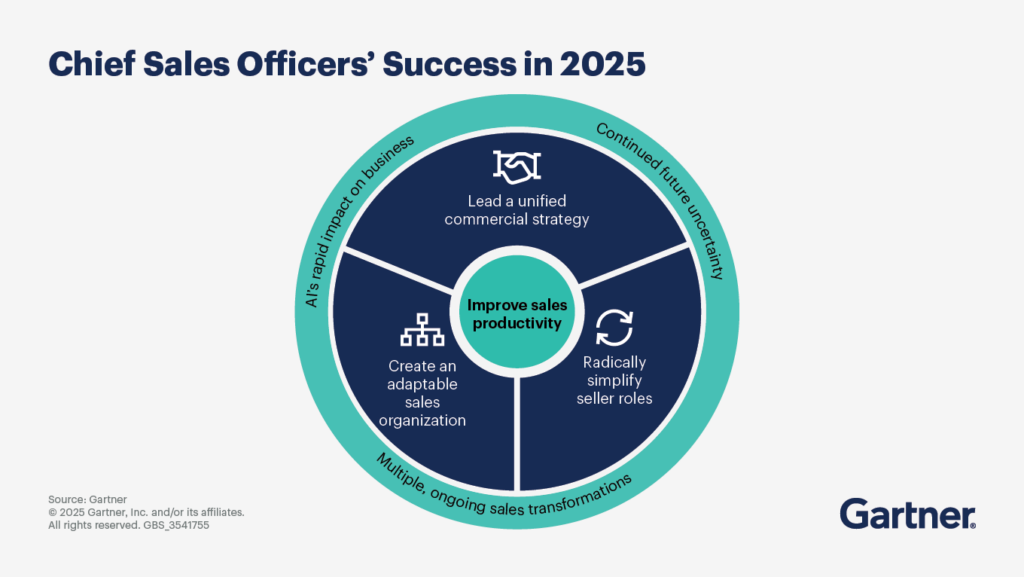
Still, outsourcing only works when the vendor can operate with precision and support a long-term revenue strategy. CSOs need to separate vendors that drive predictable pipeline from those that create additional management overhead.
1. Defining Your Sales Objectives and Constraints
Before engaging vendors, CSOs should clarify the outcomes they expect from outsourcing. Objectives may include:
- Higher conversion from MQL to SQL
- Increased outbound meeting volume
- More coverage across segments or regions
- Improved qualification accuracy
- Reducing the burden on internal SDR teams
Clarity on goals helps filter vendors based on what they can realistically deliver. It also allows CSOs to determine whether they need full outsourcing, hybrid support, or more targeted services such as appointment setting or lead qualification.
At the same time, CSOs should understand internal constraints like team bandwidth, tech stack limitations, process gaps, or inconsistent data flow. These factors shape the type of vendor partnership that will be effective.
Aligning Vendor Capabilities with Your Sales Strategy
A strong outsourcing partner should integrate smoothly into your go-to-market approach. That means understanding your ICP, buyer journey, value propositions, and qualification expectations. Vendors that cannot clearly explain how they adopt and maintain your messaging, process flows, and outreach standards will struggle to deliver reliable results.
Rather than listing tactical features, CSOs should look for how well a vendor understands their model and whether they can maintain consistency across channels and segments.
Evaluating Talent Quality and Training Rigor
Talent quality often determines the success of an outsourcing initiative. CSOs should expect vendors to provide structured onboarding, ongoing coaching, and documented quality controls. Reps must be trained to represent your brand accurately and handle conversations with the same professionalism as internal teams.
Ask how vendors manage performance, how often reps receive coaching, and what mechanisms exist for call scoring or improvement. Reliable vendors demonstrate predictable development paths, low turnover, and consistent execution standards.
Understanding Process Maturity and Operational Discipline
The most effective outsourcing partners operate with clear, consistent processes rather than ad-hoc adjustments. CSOs should look for maturity in:
- Outreach sequencing
- Speed-to-lead execution
- Lead routing workflows
- Forecasting and capacity planning
- Knowledge management
While bullet points support clarity here, the narrative takeaway is simple: vendors must demonstrate operational rigor. Structured processes help maintain quality and prevent inconsistencies, especially during scaling or high-volume periods.
Technology Integration and Reporting Visibility
For CSOs, visibility is critical. Vendors must integrate with existing CRM and marketing automation platforms and provide reliable reporting that shows impact on the pipeline. Strong partners offer dashboards, analytics, and consistent reporting cadences without requiring disconnected tools.
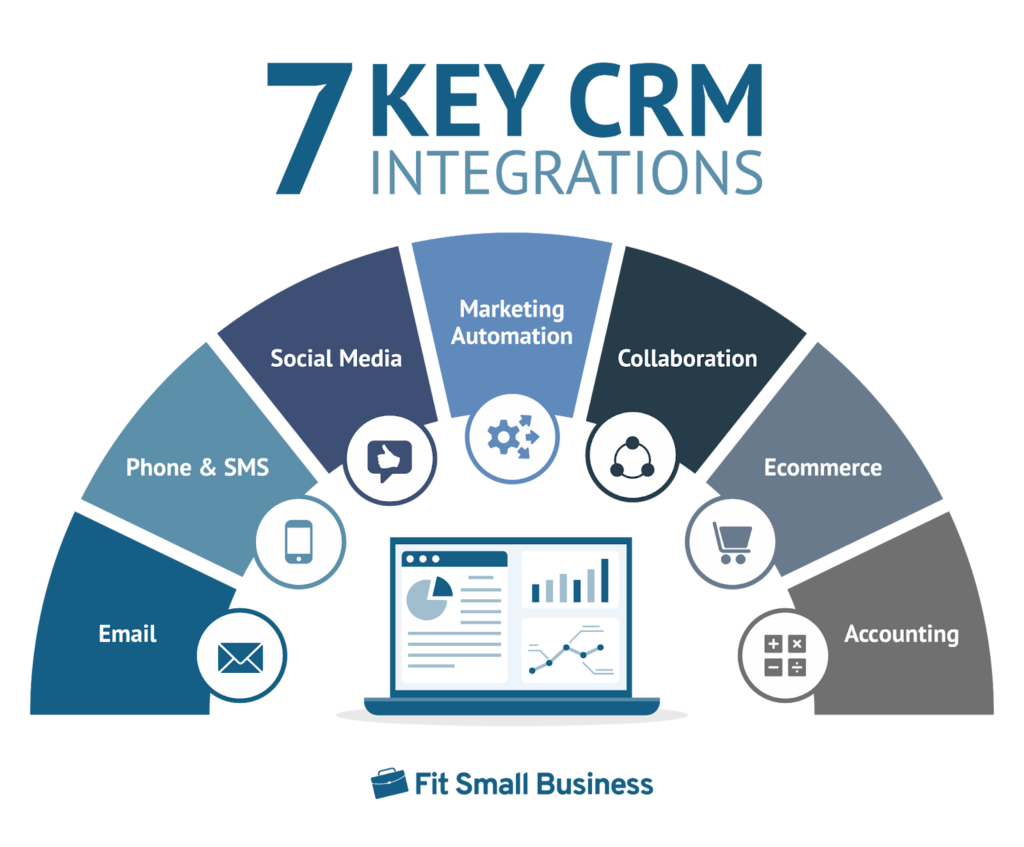
Poor integration leads to data inconsistencies and creates barriers between internal and external teams. CSOs should confirm that the vendor can fully support current systems and data governance requirements.
Communication Standards and Cross-Team Collaboration
Outsourcing only works when communication is predictable and structured. CSOs should expect weekly performance reviews, clear escalation paths, and alignment with both sales and marketing teams. Vendors must be responsive, organized, and able to operate as an extension of the internal team.
Collaboration matters. A partner that communicates inconsistently will eventually create gaps in reporting, prospect engagement, and pipeline visibility.
Assessing Quality of Communication and Collaboration
Successful outsourcing requires strong communication between internal and external teams. CSOs should evaluate:
- Frequency of check-ins and performance reviews
- Escalation paths
- Alignment with sales leadership
- Collaboration with marketing
- Responsiveness and clarity
The vendor should feel like an extension of your team, not an isolated outsource function. Communication must be structured, predictable, and centered on shared outcomes.
References, Experience, and Proven Performance
Vendor experience matters, especially when navigating long or complex sales cycles. CSOs should ask for references, success metrics, and examples of long-term partnerships. Real evidence of sustained performance is more valuable than generalized claims or activity-based metrics.
Considering Scalability and Long-Term Viability
Strong vendors can adjust capacity based on shifting priorities without compromising quality. CSOs should discuss:
- Ramp time for additional SDRs
- Support for new segments or regions
- Ability to handle seasonal volume changes
- Long-term operational stability
Selecting a vendor that can scale alongside your strategy helps prevent future disruptions.
Strengthen Your Sales Strategy Today with Televerde
Selecting a sales outsourcing vendor is a strategic decision that affects pipeline generation, sales efficiency, and long-term revenue growth. A structured evaluation process helps CSOs find a partner that aligns with their strategy, integrates with their systems, and supports the outcomes their teams need to achieve.
Ready to scale your sales operations with confidence? Discover how Televerde’s inside sales solutions help organizations expand reach, improve efficiency, and accelerate revenue. Contact us to learn more.