



CIO Martech Solutions: A Value-First Framework for Evaluating the Modern Stack
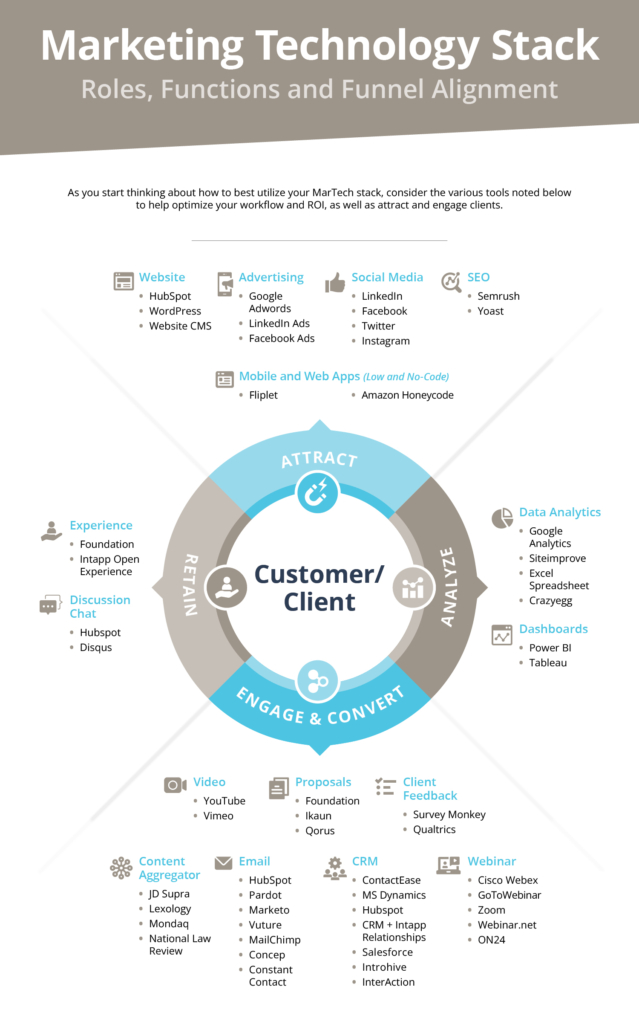
The era of unchecked martech expansion is over. Today’s CIOs aren’t focusing on rapid tool adoption because they have to make sure that every investment drives measurable business value. McKinsey reports that organizations with high-performing IT departments have as much as 35% higher revenue growth than businesses that don’t focus on these outcomes, making it a top priority moving forward.
The problem is that years of aggressive martech growth have left many organizations with bloated stacks and rising integration costs, so CIO martech solutions strategies are shifting from acquisition to optimization. The idea is to deliver growth while also reducing complexity and aligning technology investments with revenue outcomes.
This shift is also redefining the CIO’s role. Martech decisions are now enterprise-wide considerations involving security and operational scalability, and the evaluation process must now go beyond features to focus on integration and long-term sustainability.
At the center of this transformation is a value-first evaluation framework that prioritizes measurable impact over perceived capability. This new framework will determine where organizations invest their marketing dollars in the years to come.
Quick Takeaways
- Martech evaluation must prioritize business outcomes over feature sets
- Vendor consolidation is critical for reducing cost and risk
- Integration and data quality are foundational to AI and automation success
- CIOs must measure success through TCO and utilization
From Acquisition to Optimization: The New CIO Mandate
CIOs evaluating martech solutions are operating under a new reality because budgets are tighter and inefficiencies are more visible than ever.
The focus has shifted from “What can this tool do?” to “What does this tool actually deliver?”
This is where many stacks fall short. Redundant tools and underutilized platforms quietly drain resources. Without governance, even best-in-class technology becomes a liability.
A value-first framework starts with three main questions:
- Does this solution reduce operational complexity?
- Can it demonstrate measurable revenue or efficiency impact?
- Will it integrate seamlessly into the existing ecosystem?
If the answer to any of these is unclear, the tool likely doesn’t belong in the stack.
The Consolidation Imperative: Less Stack, More Impact
For most organizations, optimization begins with consolidation. Reducing vendor count by even 15–20% can significantly improve operational efficiency, making it worthwhile. Fewer tools also mean fewer integrations and lower security risk, as every additional vendor introduces new endpoints and potential vulnerabilities.
But consolidation isn’t just about cutting tools; it’s also about making smarter architectural decisions.
CIOs must weigh:
- All-in-one platforms, which reduce complexity but may lack depth
- Best-of-breed solutions, which offer specialization but increase integration overhead
There’s no universal answer, though, as the right approach depends on your organization’s ability to manage integration complexity and maintain data consistency across systems.
What matters most in this scenario is discipline because every tool must justify its place in the stack.
Technical Debt: The Hidden Cost in Martech Evaluation
One of the biggest blind spots in martech evaluation is technical debt. Legacy integrations and outdated systems often remain invisible during procurement, but they significantly impact total cost and agility. A low-cost tool on paper can become expensive when ongoing maintenance and integration support are factored in over time.
Finding these inefficiencies is important for CIOs, and means they must shift evaluation criteria to include:
- Integration complexity and long-term maintenance requirements
- Flexibility of the architecture
- Dependency on custom or legacy infrastructure
Modern martech solutions should also meet three baseline requirements:
- Open APIs for seamless connectivity
- Modular architecture for flexibility and scalability
- Clean, unified data pipelines for consistency and accuracy
Without these features, even the most advanced tools will struggle to deliver value, especially in AI-driven environments.
The AI Reality Check: From Hype to Business Value
AI has quickly become a central component of CIO martech solutions discussions, with 80% of marketers using it for content creation, but not all AI is the same. For example, many vendors offer surface-level AI capabilities that add minimal real value. These tools may look impressive in demos, but fail to deliver meaningful outcomes in production.
CIOs need to look deeper to find value. Key evaluation questions include:
- Does the AI leverage your organization’s first-party data?
- Is it embedded into workflows or limited to standalone use cases?
- Can it drive measurable improvements in pipeline, conversion, or efficiency?
As organizations move beyond experimentation, the expectation is for AI to deliver tangible ROI. However, none of it works without strong data foundations, as poor data quality will undermine even the most sophisticated AI investments.
Foundational Requirements: Integration, Security, and Scalability
Beyond features and functionality, successful martech evaluation depends on foundational capabilities.
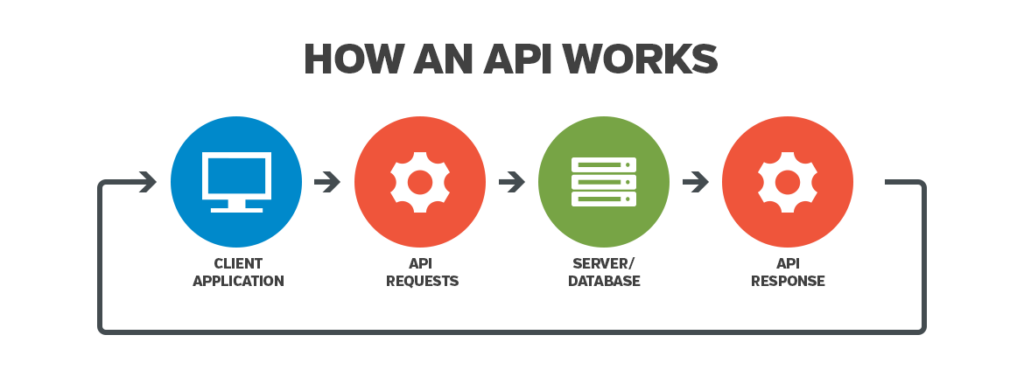
For starters, integration is non-negotiable. A composable architecture with strong API support brings flexibility and future-proofing. Without it, organizations risk locking themselves into rigid systems that limit innovation.
Security is equally important. As martech platforms handle increasing volumes of customer data and as AI introduces new risks, CIOs must evaluate:
- Data privacy and residency controls
- AI training and data usage policies
- Compliance with security standards and frameworks
A solution that lacks strong security or integration capabilities is a risk to the business, so it can’t be left alone.
Measuring What Matters: CIO-Level Martech KPIs
To justify and optimize martech investments, CIOs must align on metrics that resonate across the C-suite.
Three KPIs stand out:
- Total Cost of Ownership (TCO): Evaluate the full cost of the solution, including licensing, integration, training, and maintenance.
- Time to Value (TTV): Measure how quickly a platform delivers meaningful business outcomes after implementation.
- Utilization Rate: Assess how much of the platform’s capability is actually being used. Low utilization signals wasted investment.
These metrics provide a clearer picture of whether a martech solution is truly delivering value or simply adding complexity.
Building a Martech Stack That Delivers
The future of CIO martech solutions involves more than expanding the stack, as it’s about refining it.
CIOs who succeed in this new environment will take a disciplined, value-first approach, consolidating where necessary and prioritizing tools that integrate cleanly and deliver measurable impact.
This is where the right partner makes a difference.
Televerde provides the human support you need as you sort out your martech needs. We can bring you more leads and help you move potential buyers through your funnel in a way that supports your martech stack. Ready to turn your martech stack into a growth engine? Connect with Televerde to build a smarter, more accountable martech strategy.
FAQ: CIO Martech Solutions
What are CIO martech solutions?
CIO martech solutions refer to the technologies and platforms CIOs evaluate and implement to support marketing operations, data management, customer engagement, and revenue growth.
Why is martech consolidation important for CIOs?
Consolidation reduces complexity, lowers costs, improves security, and enables better data integration across the organization.
How should CIOs evaluate AI in martech platforms?
Focus on real business outcomes rather than surface-level features. Strong data integration is important.
What is the most important KPI for martech success?
While TCO and time to value are critical, utilization rate often reveals whether a platform is truly delivering value.
How can CIOs reduce martech technical debt?
By prioritizing platforms with open API and strong integration capabilities, while phasing out legacy systems and redundant tools.