



How CIOs Can Assess Marketing Technology Investments for Scalable Growth
Marketing technology now sits at the center of revenue strategy. Data platforms, automation systems, analytics engines, and engagement tools all shape how organizations generate demand, qualify buyers, and move opportunities through the pipeline. As marketing stacks expand, CIOs carry increased responsibility for assessing whether these investments deliver measurable business value or introduce unnecessary complexity.
Technology decisions now influence more than infrastructure efficiency. They affect data accuracy, buyer engagement, operational alignment, and long-term revenue performance. CIO marketing technology assessments therefore require a broader lens than cost comparisons or feature lists. They demand scrutiny of integration readiness, security posture, scalability, and revenue contribution.
This article outlines how CIOs can evaluate marketing technology investments with clarity, discipline, and a focus on sustained growth.
Quick Takeaways
- CIOs assess marketing technology investments based on integration strength, data quality, and revenue alignment.
- Scalable platforms reduce operational friction across marketing, sales, and analytics teams.
- Security, governance, and compliance remain critical evaluation criteria for CIO-led buying decisions.
- Long-term value depends on how well marketing technology supports demand generation and pipeline performance.
Why Marketing Technology Evaluation Falls Increasingly Under CIO Oversight
Marketing technology stacks now resemble enterprise IT ecosystems. Platforms exchange data continuously. Automations execute thousands of actions daily. AI-driven analytics influence buyer engagement and campaign targeting in real time. These systems no longer operate as isolated tools managed solely by marketing teams.
CIOs evaluate how marketing platforms interact with CRM systems, data warehouses, cybersecurity protocols, and revenue operations. A weak integration layer introduces performance risk across the organization. Disconnected data undermines reporting accuracy. Inconsistent governance exposes the enterprise to regulatory and reputational risk.
CIO marketing technology assessments therefore focus on how tools operate as part of a unified system rather than stand-alone solutions. The goal is not tool proliferation. The goal is operational coherence.
Integration as the Primary Value Driver
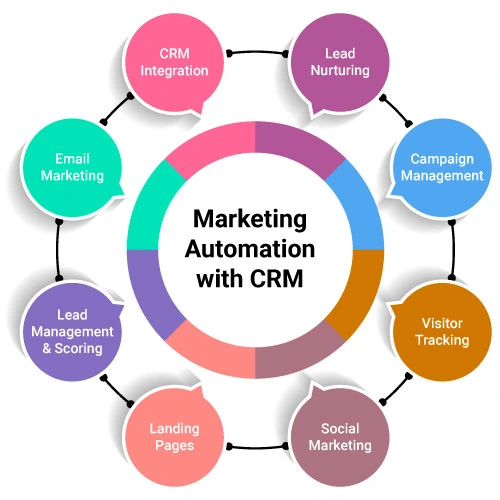
Marketing platforms generate value only when they move data across the organization with consistency. CIOs evaluate how new tools integrate with existing CRM, business intelligence, data management, and automation platforms.
Disconnected systems create duplicated records, incomplete buyer profiles, and reporting blind spots. These issues distort visibility across the revenue cycle and impair strategic planning. Integration maturity determines whether marketing activity translates into accurate pipeline analytics or remains trapped in isolated dashboards.
Evaluating Data Flow and Platform Compatibility
CIOs assess whether platforms exchange structured data in real time or rely on batch transfers that introduce delays. They evaluate API maturity, middleware dependency, and long-term maintenance requirements. Vendor promises matter less than evidence of stable production integrations at enterprise scale.
Integration strength also determines how well marketing insights transfer into sales enablement and revenue forecasting. CIO marketing technology decisions increasingly hinge on these downstream impacts.
Data Quality and Buyer Intelligence
Marketing platforms now influence how organizations interpret buyer behavior, intent signals, and lifecycle movement. CIOs evaluate the reliability of this data before approving investments. Poor data quality compromises not only marketing optimization but also sales prioritization and revenue forecasting.
Systems must demonstrate consistent data normalization, identity resolution across channels, and transparent attribution logic. CIOs also consider how AI-driven insights derive meaning from raw behavioral inputs. Black-box analytics introduce interpretive risk when leadership cannot validate the underlying logic.
CIO marketing technology evaluations therefore include rigorous testing of data accuracy, reporting consistency, and model interpretability. These factors shape board-level confidence in digital performance metrics.
Revenue Alignment as a Core Evaluation Lens
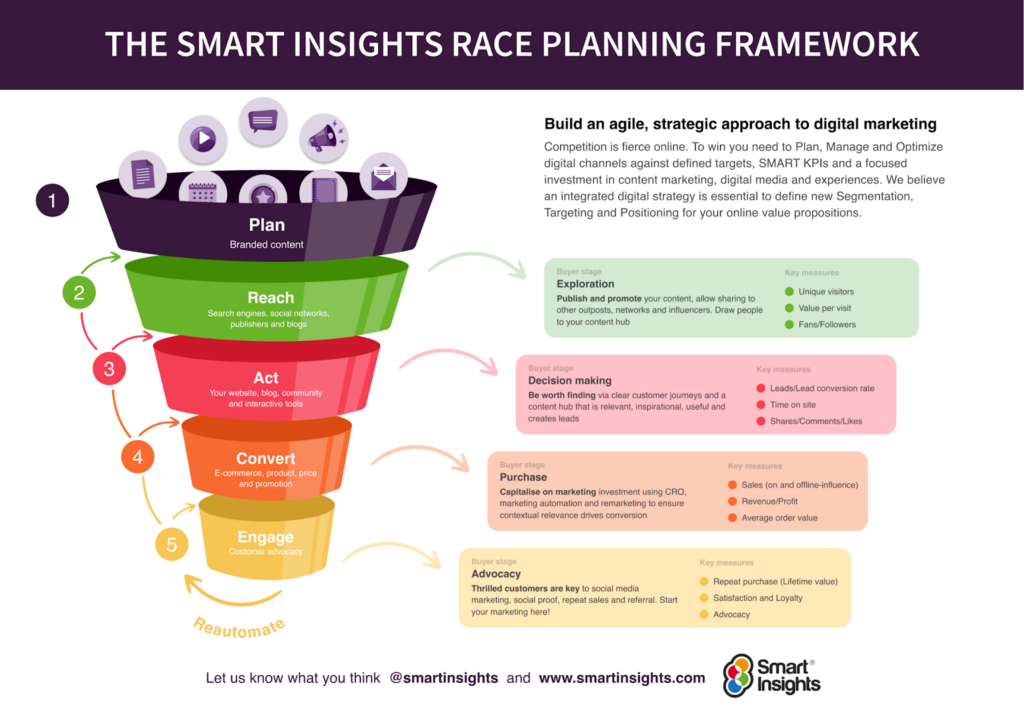
Marketing technology must support revenue strategy rather than exist as a standalone performance layer. CIOs assess how platforms contribute to lead qualification, opportunity creation, and deal progression. Visibility from first interaction through closed revenue matters.
When platforms fail to connect marketing signals with sales execution, organizations struggle to attribute ROI and adjust strategy with confidence. CIOs work alongside revenue leaders to ensure that demand generation systems reinforce pipeline growth rather than inflate surface-level engagement metrics.
CIO marketing technology assessments increasingly examine how platforms support:
- Lead scoring and routing accuracy
- Sales engagement enablement
- Opportunity velocity measurement
- Revenue attribution modeling
Technology that performs well across these measures earns long-term strategic value.
Security, Governance, and Compliance
Marketing systems now store large volumes of buyer data across multiple jurisdictions. CIOs hold direct responsibility for safeguarding this information. Security architecture, access governance, and regulatory compliance factor heavily into every assessment.
Tools must demonstrate enterprise-grade encryption, role-based access control, audit logging, and breach response protocols. CIOs also evaluate how vendors manage third-party data handling and subcontractor risk exposure.
Governance extends beyond security. CIOs define how data moves between teams, how models evolve, and how organizations enforce accountability during automation. CIO marketing technology decisions fail when governance assumptions remain implicit rather than operationalized.
Scalability and Stack Sustainability
Marketing technology adoption frequently accelerates faster than long-term architectural planning. CIOs evaluate whether platforms support incremental scale without forcing disruptive re-platforming.
Scalability considerations include data volume growth, user concurrency, multi-region deployment requirements, and evolving AI workloads. CIOs also review vendor roadmaps to determine whether strategic direction aligns with enterprise technology standards.
CIO marketing technology evaluations examine total cost of ownership across multiple years rather than initial contract value. Migration risk often outweighs short-term licensing savings.
Vendor Stability and Operational Risk
Platform longevity matters. CIOs assess vendor financial health, product development velocity, support infrastructure, and acquisition exposure. Marketing technology disruptions ripple across revenue operations faster than most IT systems.
CIOs favor vendors with transparent security disclosures, documented uptime performance, and predictable release cycles. They also analyze customer concentration risk and dependency on external data sources.
CIO marketing technology strategies aim to minimize systemic risk across the revenue stack rather than optimize for narrow departmental efficiency.
Cross-Functional Collaboration in Buying Decisions
Marketing technology buying now involves CIOs, CMOs, revenue leaders, data teams, and security specialists. CIOs often serve as neutral evaluators who balance growth urgency with technical discipline.
Cross-functional evaluation prevents teams from prioritizing isolated features at the expense of organizational sustainability. CIOs ensure that platforms support revenue motion across demand generation, inside sales development, enablement, and analytics.
CIO marketing technology governance depends on active executive collaboration rather than sequential departmental approvals.
The Role of CIOs in Modern Demand Infrastructure
CIOs increasingly shape demand generation infrastructure. Their decisions affect:
- How quickly buyers receive personalized engagement
- How accurately organizations predict opportunity outcomes
- How effectively revenue teams operate at scale
Marketing platforms no longer operate on the marketing perimeter. They sit at the center of enterprise growth systems. CIO marketing technology leadership now influences competitive positioning as directly as sales execution strategy.
Long-Term Value Versus Short-Term Performance
Short-term engagement metrics rarely indicate long-term platform health. CIOs evaluate how systems perform under sustained load, across changing buyer behavior, and through evolving regulatory standards.
Short-term performance often declines when platforms outgrow their architectural assumptions. CIO marketing technology strategies therefore prioritize durability, extensibility, and ecosystem fit over tactical campaign optimization.
Long-term value emerges when platforms integrate seamlessly, scale predictably, and support revenue leadership with consistent intelligence.
Assess Marketing Technology Investment Strategy Today with Televerde
Marketing technology now defines how organizations generate, qualify, and convert buyers at scale. CIOs who assess integration readiness, data integrity, security posture, and revenue alignment build growth systems that perform beyond individual campaigns. Disciplined evaluation transforms marketing platforms into durable revenue infrastructure.
Ready to evaluate your marketing technology investments with confidence? Discover how Televerde helps organizations connect technology decisions to real demand generation and pipeline performance. Contact us to learn more.