



How to Choose Between SDR Outsourcing and BDR Outsourcing
Outsourced sales development plays a central role in modern B2B revenue strategies. As buying groups expand and sales cycles lengthen, many organizations rely on external partners to generate and qualify pipeline more efficiently.
However, choosing the right outsourcing model requires more than a cost comparison. One of the most common decisions revenue leaders face is whether to outsource sales development representatives (SDRs) or business development representatives (BDRs). While both roles support pipeline creation, they operate differently and align to different growth objectives.
Understanding these distinctions helps organizations make informed decisions. This article explains how to evaluate SDR vs BDR outsourcing and determine which approach best supports pipeline performance and long-term revenue goals.
Quick Takeaways
- SDR outsourcing supports inbound lead qualification and sales pipeline acceleration.
- BDR outsourcing focuses on outbound prospecting and new market development.
- The right model depends on pipeline maturity, target market, and sales motion.
- Clear role definition and performance metrics determine outsourcing success
Understanding the Difference Between SDR and BDR Roles
Before selecting an outsourcing model, organizations must clearly understand how SDRs and BDRs function within the revenue organization.
What SDRs Typically Handle
SDRs primarily manage inbound activity and early-stage qualification. Their work focuses on speed, responsiveness, and efficient lead routing.
Common SDR responsibilities include:
- Qualifying marketing-generated leads
- Responding to inbound inquiries and demo requests
- Scheduling meetings for account executives
- Updating CRM records and qualification status
What BDRs Typically Handle
BDRs focus on outbound engagement and net-new pipeline creation. Their efforts support market expansion and account-based strategies.
Common BDR responsibilities include:
- Identifying and researching target accounts
- Initiating outbound outreach to new prospects
- Engaging stakeholders early in the buying process
- Creating opportunities in untapped segments
These functional differences shape how each role delivers value when outsourced.
When SDR Outsourcing Makes Sense
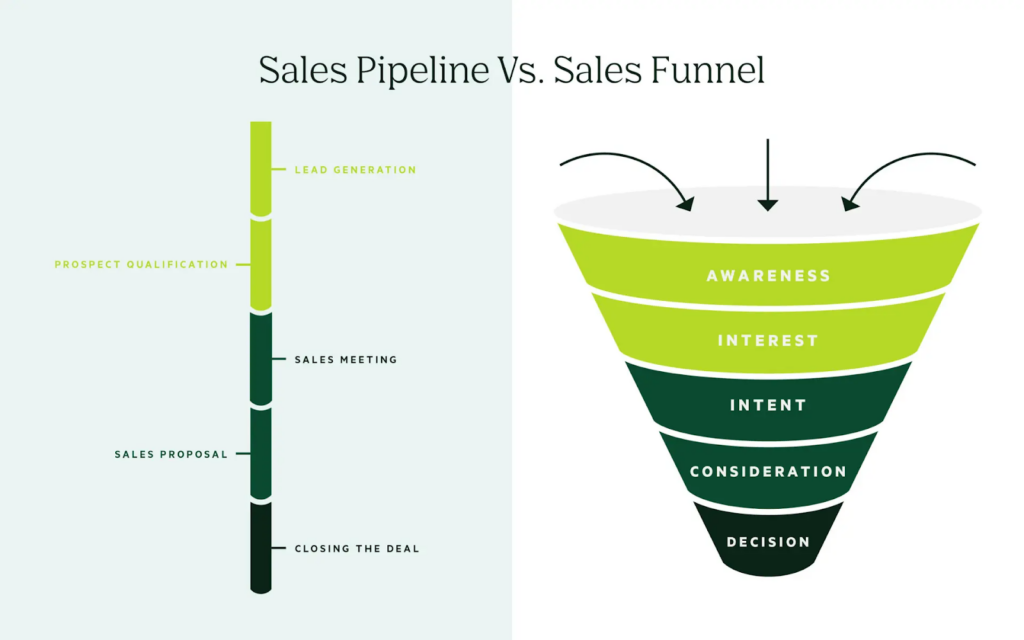
SDR outsourcing works best for organizations with an established inbound demand engine. When marketing programs generate consistent lead volume, outsourced SDR teams help ensure those leads receive timely follow-up and accurate qualification.
This model often appeals to organizations struggling with response time or lead coverage. By offloading early-stage qualification, internal sales teams can focus on advancing qualified opportunities and closing deals.
SDR outsourcing also supports pipeline predictability. With clearly defined criteria and handoff processes, organizations gain more consistent visibility into lead flow and conversion rates.
When BDR Outsourcing Is the Better Fit
BDR outsourcing supports organizations that prioritize proactive growth. Companies entering new markets, launching new solutions, or targeting strategic accounts often require outbound capacity beyond what internal teams can support.
Outsourced BDR teams specialize in research-driven outreach and personalized engagement. Their work builds pipeline earlier in the buying process and supports longer sales cycles that depend on relationship development.
This model proves especially effective in enterprise and account-based sales motions, where pipeline quality and account penetration matter more than immediate volume.
Key Differences in SDR vs BDR Outsourcing
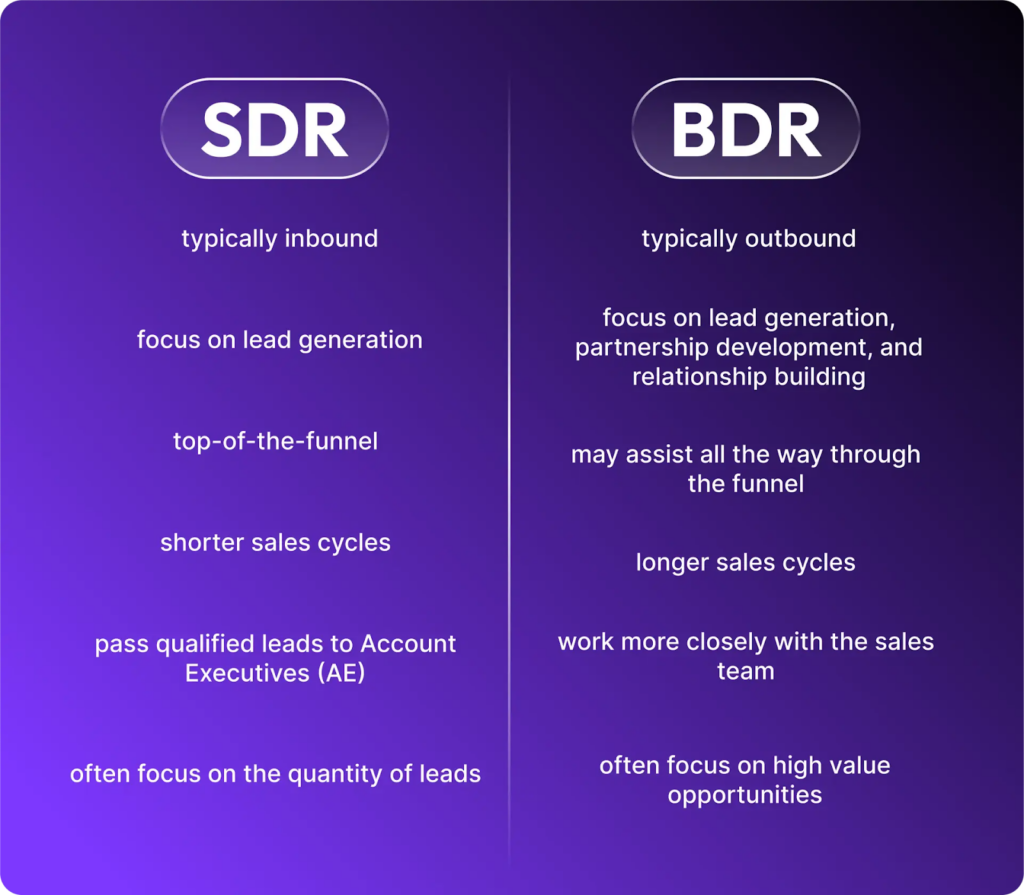
The distinction between SDR and BDR outsourcing extends beyond inbound versus outbound activity. Each model requires different operating rhythms, success metrics, and internal alignment.
SDR outsourcing emphasizes efficiency and responsiveness. Performance often centers on speed to contact, qualification accuracy, and meeting conversion rates. These programs typically align closely with marketing operations.
BDR outsourcing prioritizes targeting precision and engagement depth. Success depends on account research, message relevance, and opportunity influence over time. BDR programs require tighter coordination with sales leadership and account planning.
Recognizing these differences helps organizations avoid misalignment between outsourcing strategy and execution.
Evaluating Pipeline Maturity
Pipeline maturity plays a central role in choosing between SDR vs BDR outsourcing. Organizations with strong brand awareness and consistent inbound demand often benefit most from SDR-focused models that optimize existing lead flow.
Companies with limited inbound activity or aggressive growth targets may require BDR outsourcing to create pipeline from scratch. Without outbound development, these organizations risk over-reliance on a narrow set of demand sources.
Assessing where pipeline originates today provides a practical foundation for selecting the right outsourcing approach.
Considering Sales Cycle Complexity
Sales cycle length and complexity also influence outsourcing decisions. Shorter cycles with clear qualification criteria align well with SDR outsourcing, where speed and standardization drive results.
Longer, multi-stakeholder sales cycles favor BDR outsourcing. Outbound development supports early engagement, account education, and sustained momentum across extended buying journeys.
Aligning outsourcing models with sales complexity reduces friction between development teams and account executives.
Measurement and Accountability
Successful outsourcing depends on measurement discipline. While SDR and BDR programs track different indicators, both require clear accountability and consistent reporting.
For SDR outsourcing, organizations must define qualification standards and lead scoring thresholds. Without alignment, SDR teams risk delivering meetings that fail to convert.
For BDR outsourcing, measurement extends beyond activity volume. Tracking account progression, opportunity creation, and pipeline contribution ensures outbound efforts support revenue objectives.
Clear metrics allow organizations to optimize performance and demonstrate impact across the funnel.
Integrating Outsourced Teams With Internal Sales
Outsourced teams function as extensions of internal sales and marketing operations. Seamless integration determines whether SDR or BDR outsourcing delivers sustainable value.
SDR programs require close coordination with marketing teams to maintain message consistency and accurate handoffs. BDR programs demand alignment with sales leadership to prioritize accounts and tailor outreach strategies.
Organizations that invest in onboarding, enablement, and communication achieve stronger outcomes regardless of the outsourcing model selected.
Align Your Strategy Today with Televerde
Choosing between SDR and BDR outsourcing requires a clear understanding of how each role supports pipeline development. SDR outsourcing strengthens inbound efficiency and accelerates existing demand. BDR outsourcing drives outbound growth and supports long-term market expansion.
Organizations that evaluate SDR vs BDR outsourcing through the lens of pipeline maturity, sales complexity, and measurement discipline position their sales development efforts for scalable, sustainable growth.
Looking to evaluate the right sales development outsourcing model for your organization? Explore how Televerde supports scalable pipeline strategies built around your revenue goals. Contact us to learn more.