



What CROs Look for in Demand Generation Campaigns
Demand generation plays a direct role in revenue performance, which is why chief revenue officers evaluate these programs differently than marketing leaders. While marketing teams often focus on engagement metrics, CROs prioritize outcomes that influence pipeline health, forecast accuracy, and long-term growth.
For CROs, demand generation is not a collection of tactics. It is a system that should consistently support revenue objectives. Campaigns must demonstrate how they contribute to qualified pipeline, sales productivity, and deal progression. When demand programs fail to connect to these outcomes, CRO confidence declines.
Understanding CRO demand generation expectations helps organizations design campaigns that earn executive buy-in and drive measurable business impact.
Quick Takeaways
- CROs evaluate demand generation based on revenue contribution, not activity volume.
- Pipeline quality matters more than lead volume.
- Alignment between sales and marketing determines campaign credibility.
- Measurement discipline and transparency build CRO confidence.
How CROs Define Demand Generation Success
CROs view demand generation through the lens of revenue operations. They assess whether campaigns support predictable pipeline creation and sustainable growth. Unlike marketing dashboards that emphasize impressions or clicks, CROs look for signals that translate into closed revenue.
At a minimum, CROs expect demand generation to support pipeline coverage, deal velocity, and forecast accuracy. Campaigns that fail to influence these areas struggle to maintain executive support, regardless of engagement metrics.
Pipeline Quality Over Lead Volume
High lead volume rarely impresses CROs on its own. What matters is whether demand generation produces opportunities that sales teams can advance and close.
CROs assess pipeline quality by looking at how leads progress after handoff. If opportunities stall, cycle time increases, or win rates decline, demand generation becomes a point of scrutiny rather than confidence.
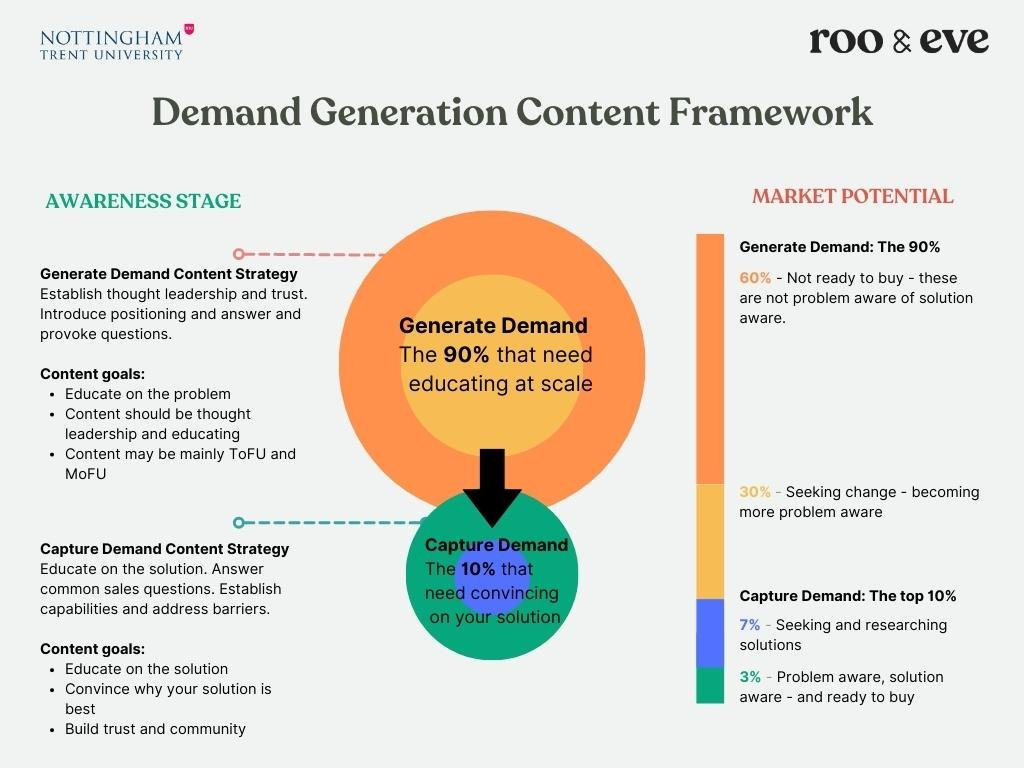
Demand generation performance looks different depending on where buyers sit in their decision journey, which is why CROs evaluate impact across awareness, engagement, and readiness rather than treating all leads the same.
Signals CROs Use to Assess Pipeline Quality
- Sales acceptance and rejection rates
- Opportunity conversion rates
- Deal velocity and stage progression
When demand generation prioritizes relevance and intent, CROs gain confidence in both targeting and execution.
Alignment With Sales Strategy
CROs expect demand generation campaigns to reinforce the organization’s sales strategy. Campaigns that operate independently of sales priorities introduce friction and dilute impact.
Effective CRO demand generation aligns with target accounts, revenue segments, and deal size objectives. When campaigns reflect how sales teams actually sell, CROs see a clearer connection between marketing investment and revenue outcomes.
Misalignment, by contrast, often leads to wasted spend, internal tension, and inconsistent pipeline performance.
Visibility Into Pipeline Contribution
Transparency plays a critical role in CRO confidence. Demand generation campaigns must provide clear visibility into how activity translates into pipeline and revenue.
CROs want to understand which campaigns influence opportunities, how long those opportunities take to progress, and where performance varies across segments. Without this visibility, even strong results can feel unreliable.
Why Attribution Still Matters to CROs
CROs do not expect perfect attribution models, but they do expect consistency. Attribution helps revenue leaders make informed decisions about budget allocation and campaign prioritization.
Strong attribution frameworks support:
- Multi-touch buyer journeys
- Trend analysis over time
- Performance comparisons across segments
The goal is informed decision-making, not theoretical precision.
Consistency Across the Buyer Journey
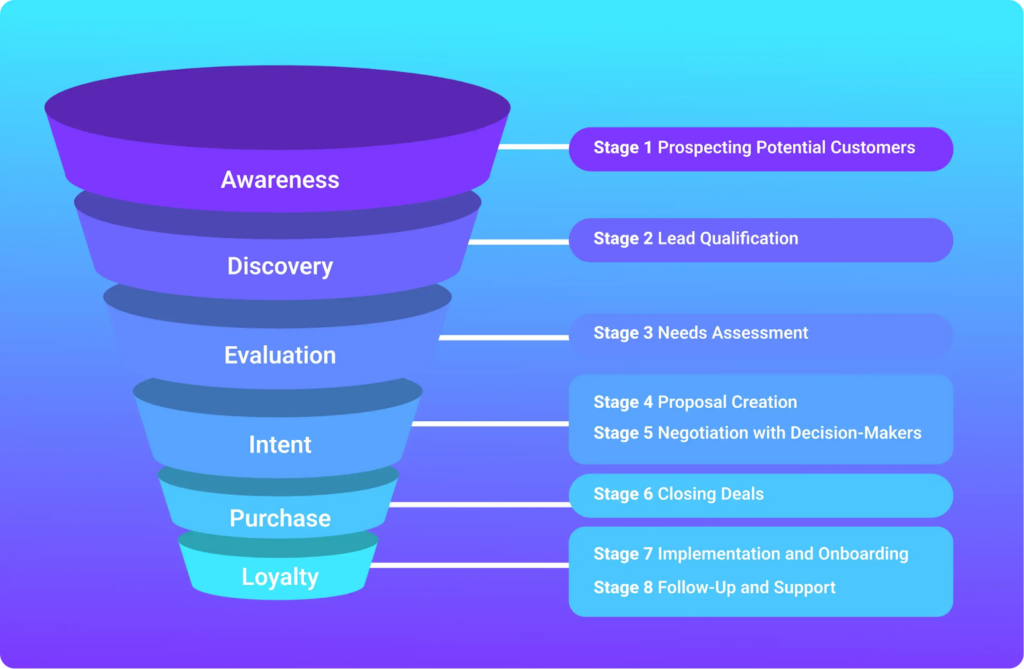
Demand generation must support buyers beyond initial awareness. CROs pay close attention to whether campaigns reinforce sales conversations and help move deals forward.
Programs that focus exclusively on early-stage activity often fail to support opportunity progression. CROs expect demand generation to remain relevant throughout evaluation and decision stages, reducing friction and supporting momentum.
This expectation places emphasis on orchestration, timing, and message continuity across channels.
Predictability and Forecast Support
Predictability sits at the center of CRO responsibility. Demand generation campaigns that produce sporadic results create forecasting challenges and introduce revenue risk.
CROs value programs that deliver steady pipeline flow over time. Consistent performance improves forecast accuracy, resource planning, and confidence in growth projections.
When demand generation supports predictability, it becomes an asset to revenue leadership rather than a variable to manage.
Operational Discipline and Execution
CROs evaluate not only what demand generation produces, but how it operates. Strong execution signals reliability and scalability.
Operational discipline includes clear ownership, defined handoff processes, and consistent campaign cadence. Programs that lack structure introduce variability into the revenue engine and undermine confidence.
Well-executed demand generation reassures CROs that growth can scale without sacrificing quality.
Design Demand Generation with Confidence Today with Televerde
CROs evaluate demand generation campaigns based on their ability to support revenue outcomes. Pipeline quality, alignment with sales strategy, and performance transparency matter far more than surface-level engagement metrics.
Organizations that design CRO demand generation programs around these priorities earn executive trust and drive stronger business results. When demand generation aligns with revenue objectives, it functions as a strategic growth driver rather than a marketing expense.
Looking to strengthen demand generation programs that support revenue goals? Learn how Televerde helps organizations align pipeline strategy with predictable growth. Contact usto learn more.